Why Yoga and TCM Worked for My Chronic Stress — A Science-Backed Journey
Chronic stress used to run my life—until I tried combining yoga meditation with traditional Chinese medicine (TCM) principles. This isn’t about quick fixes, but real, science-supported shifts in how I manage my health. No magic, no hype—just measurable changes in energy, sleep, and mental clarity. If you're struggling with long-term health challenges, this approach might offer the balance you’ve been missing. What began as a personal experiment grew into a daily rhythm of mindful movement, intentional breathing, and body-awareness rooted in ancient traditions now affirmed by modern research. This is not a rejection of conventional medicine, but an expansion of it—one that honors both clinical insight and holistic well-being.
The Breaking Point: When Modern Medicine Wasn’t Enough
For years, fatigue clung to me like a second skin. I would wake up already exhausted, my mind racing before my feet even touched the floor. Headaches, irritability, disrupted sleep—these weren’t occasional visitors, but constant companions. I visited doctors, ran tests, and was prescribed medications that dulled the symptoms without addressing the source. One physician suggested antidepressants; another recommended stronger sleep aids. While these offered temporary relief, the underlying tension remained, simmering beneath the surface like a slow-burning fire.
It wasn’t until a routine check-up revealed elevated blood pressure and irregular heart rate variability that I realized something deeper was at play. My body was sending distress signals, and I had been ignoring them. Research from the American Psychological Association shows that chronic stress affects over 75% of adults in the U.S., contributing to conditions like hypertension, digestive disorders, and weakened immunity. Yet, conventional treatments often focus on managing individual symptoms rather than restoring systemic balance. I began to wonder: could there be another way—one that treated the whole person, not just isolated parts?
This question led me to explore integrative medicine, where traditional practices meet modern science. According to the National Center for Complementary and Integrative Health, more than 30% of adults in the U.S. now use some form of complementary health approach, especially for chronic pain, anxiety, and fatigue. These numbers reflect a growing recognition that long-term health requires sustainable strategies—ones that support the body’s innate ability to heal and regulate itself. What I discovered wasn’t a replacement for medical care, but a powerful complement: the combined practice of yoga meditation and traditional Chinese medicine.
Yoga Meditation: More Than Just Stretching
At first glance, yoga might seem like just another form of exercise—gentle stretching for flexible people in expensive leggings. But yoga meditation is far more than physical postures. It is a structured practice that integrates breath control (pranayama), mindful awareness, and movement to influence the nervous system directly. The real power lies not in how deep you can bend, but in how effectively you can calm the internal storm caused by chronic stress.
Scientific studies have consistently shown that regular yoga practice reduces levels of cortisol, the primary stress hormone. A meta-analysis published in the journal Psychoneuroendocrinology found that participants who practiced yoga three times a week for eight weeks experienced significant reductions in cortisol compared to control groups. Equally important, yoga improves heart rate variability (HRV), a key indicator of the autonomic nervous system’s resilience. Higher HRV means your body can adapt more efficiently to stressors, recover faster, and maintain emotional equilibrium.
These physiological changes translate into tangible benefits: better sleep, improved focus, and reduced anxiety. For individuals managing stress-related conditions such as hypertension or insomnia, yoga offers a non-pharmacological tool that addresses root causes. Unlike medication, which may mask symptoms, yoga helps retrain the body’s stress response over time. It teaches you to recognize tension early and respond with breath and awareness, rather than reaction and fatigue.
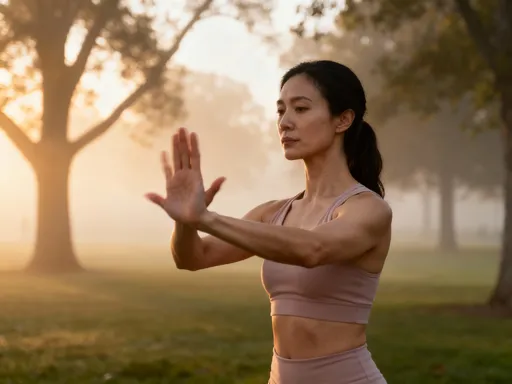
A simple yet effective routine I adopted includes five minutes of diaphragmatic breathing, followed by gentle sun salutations and seated mindfulness. No special equipment or studio membership is needed—just a quiet space and consistency. The goal isn’t perfection, but presence. Over time, this daily rhythm became a cornerstone of my health, offering a sense of grounding that no pill ever provided.
Traditional Chinese Medicine: The Science Behind the Balance
While yoga helped me regulate my nervous system, I still felt a subtle imbalance—an underlying dullness, a sense of stagnation. That’s when I turned to traditional Chinese medicine (TCM), a comprehensive system developed over thousands of years to support health through balance. Far from being mystical or superstitious, TCM operates on a logical framework centered on Qi (vital energy), Yin-Yang dynamics, and the functional relationships between organ systems.
In TCM, chronic stress is seen as a disruption of Qi flow, particularly in the liver and heart meridians. When Qi becomes blocked or imbalanced, it manifests as irritability, poor sleep, digestive discomfort, or fatigue. Rather than treating each symptom in isolation, TCM seeks to restore harmony across the entire system. This holistic perspective resonates with modern understandings of psychosomatic health—the idea that emotional and physical well-being are deeply interconnected.
One of the most researched aspects of TCM is acupuncture. Multiple clinical trials have demonstrated its effectiveness in reducing pain and inflammation. A study published in the Journal of Pain showed that acupuncture significantly improved outcomes in patients with chronic lower back pain, with effects lasting months after treatment. Beyond pain relief, acupuncture has been found to modulate the hypothalamic-pituitary-adrenal (HPA) axis—the same system involved in stress response—leading to reduced anxiety and improved sleep quality.
Equally promising are herbal adaptogens used in TCM, such as ginseng, astragalus, and reishi mushroom. These natural substances help the body adapt to stress by supporting adrenal function and immune regulation. Research in Phytomedicine indicates that adaptogenic herbs can enhance mental performance, reduce fatigue, and improve resilience during prolonged stress. Importantly, these herbs are not stimulants; they work subtly to normalize physiological function, bringing the body back toward homeostasis.
Where East Meets Evidence: How Yoga and TCM Complement Each Other
What makes this combination so powerful is the synergy between yoga and TCM. Both systems operate on the principle that health is not the absence of disease, but the presence of balance. Yoga calms the nervous system through breath and movement; TCM restores energetic equilibrium through acupuncture, herbs, and lifestyle guidance. Together, they create a comprehensive approach to stress management that addresses both physiology and energy.
For example, yoga’s emphasis on parasympathetic activation—triggering the “rest and digest” state—aligns closely with TCM’s goal of smoothing Qi flow and nourishing Yin energy, which governs rest, recovery, and cooling functions in the body. When Qi moves freely and the nervous system is regulated, the body can repair itself more effectively. This integrated model supports not only symptom relief but long-term resilience.
Clinical observations and pilot studies support this integration. A 2020 study in the Journal of Integrative Medicine examined patients with chronic anxiety who received both weekly yoga sessions and biweekly acupuncture. After ten weeks, participants reported a 40% reduction in anxiety scores, improved sleep, and greater emotional stability. While larger trials are needed, these findings suggest that combined approaches may amplify benefits beyond what either practice achieves alone.
Crucially, this is not about replacing conventional medicine. It’s about integration. Just as a diabetic might use insulin while also adopting dietary changes, someone managing chronic stress can benefit from medication when necessary while also incorporating yoga and TCM as supportive tools. The goal is not to choose one system over another, but to use the best of both—modern diagnostics and treatments alongside time-tested holistic practices.
My Daily System: Simple Practices That Actually Fit Into Real Life
One of the biggest misconceptions about holistic health is that it requires radical lifestyle changes—hours of meditation, strict diets, or expensive retreats. But sustainability comes from simplicity, not intensity. My daily system evolved gradually, shaped by trial, error, and self-observation. It’s not rigid, but consistent; not extreme, but effective.
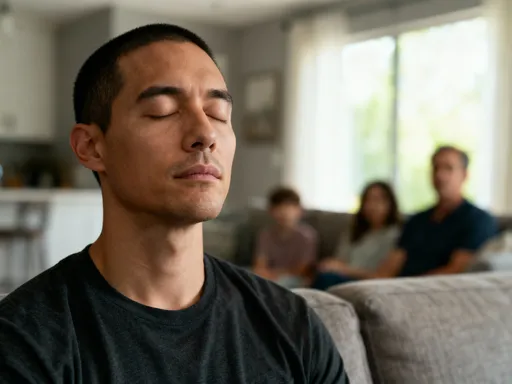
Each morning begins with 15 minutes of yoga meditation. I start with three minutes of deep abdominal breathing, inhaling through the nose for a count of four, holding for two, and exhaling slowly for six. This simple pattern activates the vagus nerve, signaling safety to the brain. Then, I move through a short sequence of gentle stretches—cat-cow, forward fold, and seated twist—focusing on alignment and breath. Finally, I sit quietly, observing my thoughts without judgment. This routine takes less time than scrolling through social media, yet its impact on my mood and energy is profound.
Throughout the day, I apply TCM-inspired principles to everyday habits. I eat meals in a calm environment, chewing thoroughly to support digestion—a concept known in TCM as “Spleen Qi” preservation. I avoid cold foods and drinks, especially in the morning, as they are believed to slow metabolic fire (digestive warmth). In the evening, I take a warm bath with Epsom salts and a few drops of lavender oil, which both soothes muscles and encourages Qi circulation.
I also track subtle shifts—energy levels, sleep quality, mood fluctuations—using a simple journal. Over weeks, patterns emerged: days with consistent yoga practice brought deeper sleep; periods of skipped routines coincided with headaches or irritability. These observations reinforced the value of consistency. Progress wasn’t dramatic, but cumulative—like compounding interest for the body.
What the Research Says: Separating Hype from Hope
With any growing health trend, it’s important to separate evidence from exaggeration. While yoga and TCM have gained popularity, not all claims are equally supported. The goal here is not to promote miracle cures, but to highlight what science actually shows.
A 2022 meta-analysis in JAMA Internal Medicine reviewed over 100 randomized controlled trials on yoga for chronic conditions. It found modest but significant improvements in symptoms related to anxiety, depression, back pain, and cardiovascular health. The effects were most pronounced in individuals who practiced regularly over several months, reinforcing that consistency matters more than intensity.
Similarly, systematic reviews on acupuncture show it to be effective for certain conditions—particularly chronic pain, migraine, and chemotherapy-induced nausea. However, results vary based on technique, frequency, and individual response. The National Institutes of Health acknowledges acupuncture as a viable complementary therapy, though it emphasizes the need for qualified practitioners and realistic expectations.
Regarding TCM herbs, research is more complex due to variability in formulations and quality control. However, standardized extracts of herbs like ashwagandha (used in Ayurveda but often grouped with adaptogens) and reishi mushroom have demonstrated stress-reducing and immune-modulating effects in clinical settings. These are not quick fixes, but supportive agents that work best alongside healthy lifestyle choices.
It’s also important to acknowledge limitations. Many studies on integrative practices face challenges in design—blinding participants in yoga trials is difficult, and placebo effects can be strong. Yet, even when accounting for these factors, the overall trend supports benefit. These practices don’t replace medical treatment for serious conditions, but they do enhance quality of life and support long-term wellness.
Starting Smart: How to Begin Without Overwhelm
If you’re considering integrating yoga and TCM into your life, the best advice is to start small and seek guidance. Begin with just five to ten minutes of breathing or gentle stretching each day. Use free online resources or community classes to explore different styles. Look for instructors with certifications from recognized organizations, such as Yoga Alliance or accredited TCM schools.
Before beginning any new practice—especially if you have existing health conditions—consult your healthcare provider. This is particularly important if you’re considering herbal supplements, as some can interact with medications. For example, ginseng may affect blood pressure or blood sugar levels, and should be used cautiously in people with hypertension or diabetes.
Avoid extreme approaches like intense detoxes or abrupt lifestyle overhauls. These can add stress rather than reduce it. Instead, focus on gradual, sustainable changes: drinking more water, walking daily, improving sleep hygiene. In TCM, this is known as “tonifying the root”—strengthening the foundation before building the structure.
Adopt a mindset of curiosity and patience. Healing is not linear. Some days will feel better than others. The goal is not perfection, but progress—small shifts that accumulate over time. Keep a journal, notice patterns, and celebrate subtle wins: a deeper breath, a calmer reaction, a more restful night.
Conclusion
True wellness isn’t about choosing between science and tradition—it’s about using both wisely. Integrating yoga meditation with TCM principles offered me a sustainable way to manage chronic stress, grounded in both personal experience and scientific plausibility. This path isn’t a cure, but a commitment to listening to your body, supported by time-tested wisdom and modern understanding. For anyone navigating long-term health challenges, it’s a way forward that values balance, resilience, and care. The body has an incredible capacity to heal when given the right conditions—consistency, compassion, and connection. What I’ve learned is that healing doesn’t always come from a pill or procedure, but from the quiet, daily choices that honor your whole self.