Why Your TCM Workout Routine Might Be Backfiring
You’re doing everything “right”—acupressure, qigong, herbal teas—yet still feel off. I was too, until I realized my mistake: forcing modern fitness rules onto ancient TCM practices. It’s not about intensity, but harmony. When I stopped chasing sweat and started listening to my body’s signals, everything shifted. This is what no one tells you about balancing exercise and TCM adjustment—common pitfalls that quietly undermine your wellness journey. Many women in their thirties to fifties are drawn to Traditional Chinese Medicine (TCM) for its gentle, holistic promise of balance. Yet when combined with high-effort workouts, the results can be the opposite of healing. The truth is, TCM is not a supplement to modern fitness; it’s a different system altogether. Misaligning the two can drain energy, disrupt sleep, and weaken digestion—exactly what TCM aims to protect.
The Hidden Conflict: Modern Fitness vs. TCM Principles
At the heart of the misunderstanding lies a clash of philosophies. Modern fitness often celebrates pushing limits—burning calories, building muscle, and measuring progress by visible results. Workouts are structured around duration, intensity, and measurable output. In contrast, Traditional Chinese Medicine operates on the principle of balance, emphasizing the smooth flow of Qi (vital energy), the harmony between Yin and Yang, and the health of internal organs. Where Western exercise aims to challenge the body, TCM practices aim to nourish it. This fundamental difference means that what is considered “healthy” in one system may be seen as harmful in the other.
For example, a 45-minute high-intensity interval training (HIIT) session might be praised in fitness circles for boosting metabolism and endurance. But from a TCM perspective, such exertion can overstimulate Yang energy, especially if done regularly without adequate recovery. This can lead to what TCM calls “Yin deficiency with empty fire”—a condition marked by night sweats, irritability, dry eyes, and restlessness. Women in perimenopause or menopause are particularly vulnerable, as their bodies are already navigating natural shifts in Yin and Yang balance. Adding excessive physical stress can accelerate depletion rather than support vitality.
Another common conflict arises in goals. Many women turn to TCM to improve digestion, reduce fatigue, and sleep better—issues often rooted in Qi deficiency or organ imbalance. Yet they continue with early-morning runs or intense spin classes, believing these activities “energize” them. In reality, such workouts may be further depleting their Qi, especially if they already feel tired or stressed. TCM teaches that Qi must be conserved and cultivated, not burned. The body is not a machine to be driven but a garden to be tended. When exercise becomes another demand rather than a source of renewal, it undermines the very wellness it aims to support.
Pitfall #1: Overexercising to “Detox” or “Boost Qi”
One of the most widespread misconceptions is that sweating equals cleansing or that more movement automatically strengthens Qi. In TCM, however, excessive sweating is seen as a loss of Qi and body fluids—particularly damaging to the Spleen and Lung systems, which govern energy production and immune defense. The idea that “sweat is fat crying” has no place in TCM philosophy. Instead, true detoxification comes from supporting organ function, not forcing elimination through intense exertion.
Women who engage in long cardio sessions or hot yoga classes may believe they are “flushing out toxins” or “energizing” their system. But if they experience persistent fatigue, brain fog, or frequent colds, they may actually be weakening their defensive Qi (Wei Qi). In TCM, Wei Qi acts as a protective shield, much like the immune system. When overexercising depletes this energy, the body becomes more susceptible to external pathogens and internal imbalances. This is especially concerning for women over 40, whose natural Qi levels may already be declining due to age and life stressors.
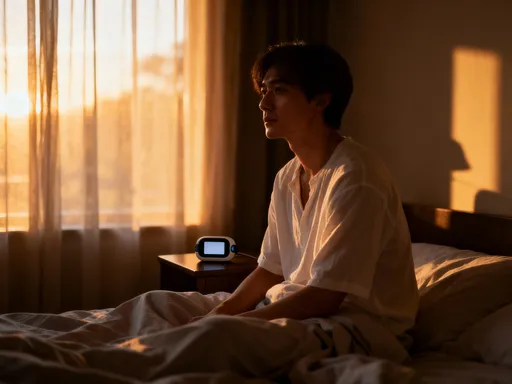
The signs of overexertion are subtle but telling. These include difficulty falling asleep despite exhaustion, waking between 1–3 a.m. (associated with liver imbalance), digestive bloating or irregular bowel movements, and a constant sense of being “wired but tired.” Some women report eating well, taking supplements, and practicing mindfulness, yet still feel drained. The missing piece? They are moving too much in the wrong way. TCM does not reject movement—it values it deeply—but it emphasizes appropriate movement. Gentle, rhythmic activities like walking in nature, slow stretching, or qigong are far more effective at circulating Qi without depleting it. These practices open the meridians, improve circulation, and support organ function without taxing the body’s reserves.
Pitfall #2: Ignoring Your Body Type in TCM Terms
TCM does not believe in a one-size-fits-all approach to health. Each person has a unique constitutional pattern—often shaped by genetics, lifestyle, and emotional history. Common patterns include Qi deficiency, Yin deficiency, Yang excess, and Dampness. These patterns influence how the body responds to food, stress, and exercise. Yet many women follow generic fitness plans without considering how their constitution might react.
For instance, a woman with Qi deficiency may feel chronically tired, have weak digestion, and catch colds easily. For her, a vigorous workout routine could worsen symptoms by further draining energy. Instead, TCM recommends gentle activities that build Qi gradually, such as tai chi or slow walking. In contrast, a woman with Dampness or Phlegm accumulation—often seen in those with sluggish metabolism, water retention, or joint heaviness—may benefit from moderate movement that promotes circulation and transforms Dampness, such as brisk walking or light resistance training. But even then, the pace and duration must be balanced to avoid exhaustion.
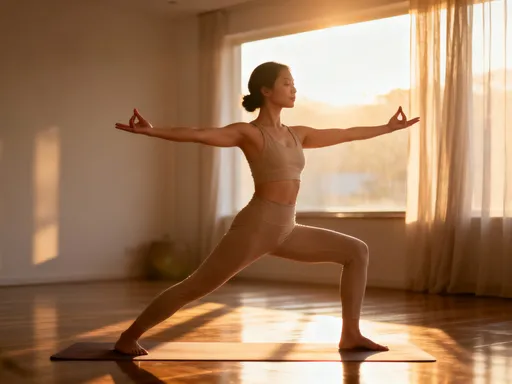
Another example is Yin deficiency, common in women experiencing hot flashes, dry skin, or insomnia. These individuals often have internal heat and depleted cooling fluids. High-impact or heated workouts can aggravate this condition, increasing restlessness and night sweats. A better approach is cool, calming movement like moon salutations in yoga or seated qigong, practiced in a quiet, well-ventilated space. Similarly, women with Liver Qi stagnation—often linked to stress, irritability, and menstrual discomfort—may find relief in flowing, expressive movements that help release tension, such as Dao Yin or gentle dance.
Identifying your pattern doesn’t require a formal diagnosis. Paying attention to daily symptoms can offer clues. Do you feel worse after intense workouts? Do you crave rest more than energy? Is your sleep shallow or interrupted? These are signals from your body, interpreted through a TCM lens. By honoring your constitution, you shift from fighting your body to working with it—a core principle of lasting wellness.
Pitfall #3: Timing Matters—Exercising Against the Body’s Rhythm
In TCM, time is not just a measurement—it’s a vital part of energy flow. The body follows a 24-hour organ clock, where each two-hour window corresponds to a specific organ system’s peak activity. Exercising in alignment with this rhythm supports health; going against it can create imbalance. For example, the Lung system is most active between 3 a.m. and 5 a.m., making this a poor time for intense activity, especially for those with respiratory issues or low energy. Yet many women set alarms for 5 a.m. workouts, believing early exercise is most effective. From a TCM view, this may disrupt the Lung’s ability to regulate Qi and body fluids, leading to dry coughs, fatigue, or weakened immunity.
The Large Intestine is active from 5 a.m. to 7 a.m., a time meant for elimination and gentle awakening. This makes it ideal for light stretching, deep breathing, or a slow walk—activities that support the body’s natural detox rhythm. Jumping into a high-intensity session during this window may interfere with bowel function and increase stress on the body. A better approach is to rise gently, hydrate, and move slowly, allowing the body to transition naturally into the day.
Mid-morning, between 9 a.m. and 11 a.m., the Spleen is most active. This organ (which includes digestive and metabolic functions in TCM) thrives on moderate activity. A 20- to 30-minute walk after breakfast can enhance digestion and energy levels without overtaxing the system. In contrast, late-night workouts—especially after 9 p.m.—can disturb the Heart and Kidney systems, which govern sleep and deep energy reserves. Exercising too close to bedtime may lead to insomnia, vivid dreams, or a racing mind, as Yang energy remains elevated when it should be settling.
The ideal time for more active movement, according to TCM, is between 9 a.m. and 1 p.m., when Yang energy is naturally rising. This is when the body is best equipped to handle physical effort. However, even then, the type of exercise should match the individual’s constitution. A woman with strong energy may enjoy a brisk walk or light strength training during this window, while one recovering from illness or fatigue may do better with seated qigong or breathing exercises. Respecting the body’s internal clock is not about rigid rules—it’s about cultivating awareness and moving in harmony with natural cycles.
Pitfall #4: Skipping Warm-Ups and Cool-Downs with a TCM Lens
Most fitness routines include warm-ups and cool-downs, but in TCM, these are not just physical preparations—they are energetic transitions. A proper warm-up “awakens the meridians,” preparing the body for movement by gently increasing Qi and blood flow. Skipping it can lead to stagnation, stiffness, or injury. Similarly, a cool-down allows Qi to return to the organs, preventing energy from being “stranded” in the muscles. Rushing out of a workout without this transition can leave the body ungrounded, contributing to fatigue, poor sleep, or emotional imbalance.
In TCM, joint rotations, slow limb movements, and deep abdominal breathing are foundational to preparing the body. These actions stimulate acupressure points, release tension in the tendons, and harmonize the flow of Qi. For example, rotating the wrists activates points connected to the Lung and Pericardium meridians, supporting breath and emotional calm. Neck rolls and shoulder circles free the Gallbladder and Triple Burner pathways, which are often tight in women with stress or hormonal fluctuations.
A simple 5-minute TCM-inspired warm-up might include: gentle neck rolls, shoulder shrugs and circles, wrist and ankle rotations, slow spinal twists, and diaphragmatic breathing. Each movement should be fluid and mindful, not rushed. The goal is not to raise the heart rate but to awaken the body’s internal communication system. Similarly, a cool-down could involve seated forward bends, palm pressing (rubbing hands together to generate warmth and Qi), and light tapping (such as tapping the kidneys on the lower back to tonify Kidney Qi).
These practices take little time but offer deep benefits. They help prevent the kind of post-exercise crash some women experience—where they feel energized during the workout but collapse afterward. By honoring the transition into and out of movement, you support long-term vitality rather than short-term performance.
Better Movement: TCM-Approved Exercise Techniques That Work
The good news is that TCM offers a rich tradition of movement practices designed to enhance health without depletion. Tai chi, qigong, and Dao Yin are not just “gentle exercises”—they are sophisticated systems that regulate Qi, strengthen organ function, and promote emotional balance. Unlike high-intensity workouts, these practices build resilience from within, making them especially valuable for women navigating midlife changes.
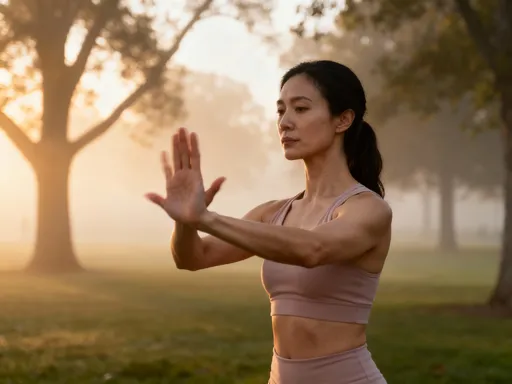
Tai chi, often described as “meditation in motion,” combines slow, flowing movements with deep breathing and mental focus. Research has shown it improves balance, reduces inflammation, and enhances vagal tone—a marker of nervous system regulation. In TCM terms, it harmonizes Yin and Yang, calms the Shen (spirit), and strengthens the Kidneys and Liver. Practicing just 15 minutes a day can lead to noticeable improvements in sleep, digestion, and emotional stability.
Qigong, meaning “energy cultivation,” includes thousands of forms, many designed for specific health goals. Medical qigong, for example, is used to support recovery from chronic illness, while standing qigong (Zhan Zhuang) builds internal strength and endurance without physical strain. These practices often involve static postures, breath control, and visualization, all aimed at circulating Qi and removing blockages. For women with fatigue or joint pain, qigong offers a way to stay active without aggravating symptoms.
Dao Yin, an ancient precursor to qigong, combines stretching, breathing, and self-massage to guide Qi through the body. It is particularly effective for releasing stagnation—whether in the muscles, emotions, or organs. Simple Dao Yin exercises, like the “Six Healing Sounds” or “Eight Brocades,” can be learned in minutes and practiced at home. They are especially helpful for women dealing with stress, hormonal shifts, or digestive discomfort.
The beauty of these practices is their accessibility. They require no special equipment, can be done in small spaces, and adapt to all fitness levels. A beginner might start with five minutes of seated qigong in the morning, gradually increasing time and complexity. The key is consistency, not intensity. Over time, these movements become a form of self-care that nurtures the body, mind, and spirit in alignment with TCM principles.
Putting It All Together: A Balanced Approach to TCM-Informed Fitness
The journey to wellness is not about doing more—it’s about doing what matters. When it comes to exercise and TCM, the most powerful shift is moving from effort to awareness. Instead of asking, “How hard can I push?”, ask, “How does my body feel?” This simple change in mindset aligns with TCM’s core teaching: health is not a destination but a dynamic state of balance.
A balanced TCM-informed fitness routine honors individual constitution, respects the body’s rhythms, and prioritizes sustainability over speed. It replaces exhaustion with renewal, force with flow. It may mean trading a 6 a.m. run for a sunset walk, swapping burpees for breathwork, or replacing a gym session with 10 minutes of tai chi. These choices are not signs of weakness—they are acts of wisdom.
For women in their 30s, 40s, and 50s, this approach is especially important. As hormonal shifts, caregiving demands, and career pressures mount, the body needs support, not more stress. TCM offers a compassionate framework for movement—one that values listening over pushing, nourishing over depleting, and harmony over achievement.
Before making major changes, especially with chronic conditions like fatigue, joint pain, or digestive disorders, it is wise to consult a qualified TCM practitioner. They can help identify your constitutional pattern and recommend personalized movement and lifestyle adjustments. Wellness is not a solo journey; it thrives on guidance and connection.
In the end, the most healing exercise is the one that leaves you feeling more alive, not more drained. It’s the walk that clears your mind, the stretch that releases tension, the breath that grounds you. When movement becomes a practice of listening, it transforms from a task into a gift—one that honors the body’s ancient wisdom and supports a lifetime of well-being.