Are You Still Letting Notifications Ruin Your Evenings?
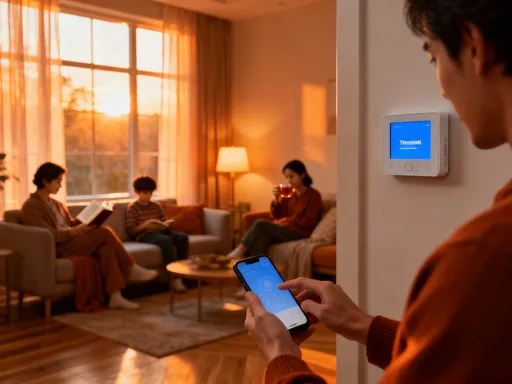
Imagine this: you’re finally home, ready to unwind with your favorite tea, a book, or a quiet moment with your family. But then—ping, buzz, ding—your phone erupts with alerts. Work emails, social updates, random promotions. Suddenly, your calm slips away. You glance at the screen just once, and before you know it, 20 minutes have vanished. What if you could take back those precious evening hours? What if your phone could wait—until you’re ready? The good news is, it can. And it starts with a few simple changes that don’t just silence your phone—they restore your peace.
The Evening That Got Away
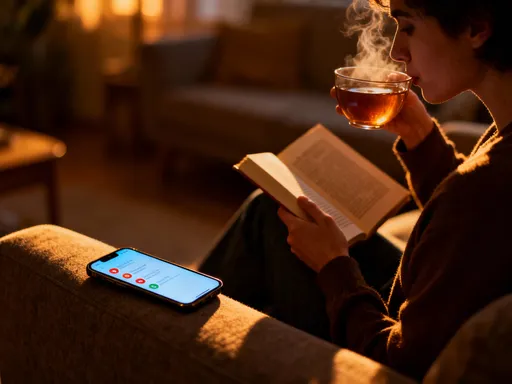
You’ve planned it all so carefully. Dinner is done, the kids are brushing their teeth, and you’ve poured yourself a cup of chamomile tea—your little ritual to wind down. You sink into the couch, ready to read a few pages or finally finish that puzzle on the coffee table. But then your phone lights up. A message from a group chat. A reminder about a meeting tomorrow. A notification that someone liked your photo from three years ago. You tell yourself, “Just one quick look,” but that one look pulls you into a loop. By the time you come up for air, your tea is cold, the house is quiet, and you feel more drained than when you started.
This isn’t just about being distracted. It’s about losing something far more valuable: your time, your calm, and your connection to the people and moments that matter most. Think about it—how many evenings have slipped through your fingers like this? How many bedtime stories were interrupted by a vibrating phone in your pocket? How many conversations with your partner have faded into silence because you both reached for your screens instead of each other? These aren’t small losses. They add up, night after night, until you start to wonder: when did my evenings stop belonging to me?
And it’s not just your time that pays the price. Constant alerts keep your brain in a state of low-grade stress. Even if you don’t realize it, your body tenses when that buzz comes. Your breathing changes. You’re no longer present. Over time, this kind of chronic interruption can affect your sleep, your mood, and even your ability to focus during the day. The irony is, we carry these devices to stay connected, but they often leave us feeling more disconnected—from our families, from ourselves, from the simple joy of being still.
Why Your Phone Feels Like a Demanding Roommate
Let’s be honest: your phone doesn’t just notify you. It demands your attention. It pings at dinner, buzzes during bedtime stories, and wakes you with a flood of “urgent” updates that aren’t urgent at all. It’s like having a roommate who never stops talking—always interrupting, always needing something, never respecting your space. And here’s the thing: it wasn’t designed to be polite. Most apps are built to grab your attention, not protect your peace.
Think about how many times a day you get a notification for something you didn’t ask for. A sale on shoes you didn’t search for. A reminder to check in at a store you’ve never visited. A friend request from someone you don’t know. These aren’t accidents. They’re strategies. App developers know that every time you open your phone, even for a second, it reinforces the habit. It’s not about helping you—it’s about keeping you engaged. And because these alerts are tied to little bursts of novelty, your brain responds with a tiny hit of dopamine, the “feel-good” chemical. You don’t even realize it, but you’re being trained to check your phone—again and again.
The good news? This isn’t your fault. You’re not weak-willed or bad with technology. You’re simply using a device that was designed to be hard to ignore. But here’s the empowering part: you can retrain it. You can flip the script. Instead of letting your phone control your rhythm, you can teach it to follow yours. It starts with understanding that your phone doesn’t have to be this way. It can be quiet when you need quiet. It can wait. And the best part? You’re in charge of the settings.
Your Phone Can Learn Your Rhythm—Here’s How
Let’s start with one of the most powerful tools most people never use: Scheduled Do Not Disturb. This feature is like giving your phone a bedtime of its own. You set the hours—say, 8 PM to 7 AM—and during that time, your phone stays silent. No pings, no buzzes, no flashing lights. It’s still on, of course. You can still use it. But it won’t interrupt you unless it really needs to.
On an iPhone, go to Settings, then Focus, then Do Not Disturb. Tap “Add Schedule or Automation,” and choose a time. You can name it “Evenings” or “Family Time” or “Peaceful Hours”—whatever feels right. Then, decide who can still reach you. Maybe it’s your spouse, your kids, or a parent who might need help. You can allow calls from specific contacts, so if someone important calls twice in three minutes (a common emergency signal), the phone will ring through. Everything else waits.
On Android, it’s just as easy. Open Settings, go to Sound, then Do Not Disturb. Tap “Schedules” and set your preferred hours. You can allow exceptions for calls and messages from certain people. Some phones even let you set it to turn on automatically when you get home, using location. That way, the moment you walk through your front door, your phone knows it’s time to quiet down.
This one change can transform your evenings. No more jumping every time the phone buzzes. No more feeling guilty for ignoring it. You’re not missing out—you’re choosing what matters. And the best part? It takes less than five minutes to set up. You don’t need to be tech-savvy. You just need to decide that your peace is worth protecting.
Taming the App That Won’t Quit
Now, let’s talk about the apps that just won’t let go. You know the ones—social media, shopping sites, news apps—that send notifications for everything. A new follower. A price drop on a vacuum cleaner. A headline you’ll forget by morning. These apps don’t care about your evening routine. They care about your attention. And if you don’t set boundaries, they’ll keep shouting at you, day and night.
The fix? A notification audit. It’s like spring cleaning for your digital life. Start by asking yourself: which apps actually need to notify me? Be honest. Do you really need an alert every time a friend posts a photo? Would your life fall apart if you didn’t know about a flash sale at 9 PM? Chances are, the answer is no. Most notifications aren’t urgent. They’re just loud.
On iPhone, go to Settings, then Notifications. You’ll see a list of every app. Tap each one and ask: does this need to make noise? Can it wait until tomorrow? For apps like email or messaging, you might want to keep alerts but turn off sounds or banners. For social media, consider turning off notifications completely. On Android, it’s similar—go to Settings, Notifications, then App Notifications. You can silence individual apps or even set them to “priority only,” so they only interrupt you if you’ve marked them as important.
Here’s a little trick: try turning off notifications for one app for three days. See how it feels. Most people realize they didn’t miss a thing. In fact, they feel lighter. Freer. It’s amazing how much mental space opens up when you stop being notified about everything. And if you do want to check in, you can—on your terms, not the app’s. That’s the shift: from reactive to intentional. From being pulled in to choosing where to go.
Creating a Calm-Down Routine Your Phone Respects
What if your phone didn’t just go quiet—but helped you wind down? That’s where Focus Modes on iPhone and Bedtime Mode on Android come in. These aren’t just about silence. They’re about creating a space for rest. They dim the screen, hide distracting apps, and even suggest calming activities—like reading or meditation. It’s like your phone becomes a partner in your evening routine, not a disruptor.
On iPhone, go to Settings, Focus, then tap the “+” to create a new one. Call it “Evening” or “Calm” or “Family Time.” Choose which apps you want to allow—maybe just Messages, Phone, and your favorite book app. Then, set it to turn on automatically at a certain time or when you get home. You can even link it to a widget on your home screen, so one tap activates your whole evening mode.
On Android, Bedtime Mode (sometimes called Wind Down) works with Digital Wellbeing. Set a bedtime, and your phone will automatically switch to grayscale, making it less tempting to scroll. It silences notifications and can launch a relaxing app, like a sleep story or calming music. You can schedule it to start when Do Not Disturb turns on, so everything happens seamlessly.
The beauty of these tools is that they make the right choice the easy choice. You don’t have to rely on willpower. You don’t have to remember to be disciplined. The routine is built in. Over time, your brain starts to associate these cues with rest. The dimmed screen, the quiet—your body begins to relax before you even realize it. It’s not just about less noise. It’s about creating a rhythm that supports you, night after night.
The Little Settings That Make a Big Difference
Sometimes, the smallest changes have the biggest impact. Take lock screen previews, for example. Every time a message comes in, your phone shows the content right on the screen. “Meeting moved to 3 PM.” “Mom says dinner is at 6.” “You have a package arriving tomorrow.” It seems helpful, but it’s also a trap. Because once you see part of a message, your brain wants to know the rest. You pick up the phone. You check. And just like that, you’re back in the loop.
Turn off previews, and that temptation fades. On iPhone, go to Settings, Notifications, then Show Previews. Choose “Never.” On Android, go to Settings, Notifications, Lock Screen, and select “Don’t show notifications.” Now, you’ll still get alerts, but you’ll have to unlock your phone to see them. That tiny extra step creates space—a moment to decide if you really want to engage.
Another quiet hero: disabling LED notification lights. Some phones blink or pulse with color every time there’s an alert. In a dark room, that little flash can be enough to pull your eyes—and your attention. Turn it off in your display or notification settings. You won’t miss anything important, but you’ll regain control over your visual space.
And don’t forget sound prioritization. Instead of letting every app make noise, choose just one or two that truly matter—like calls from family or messages from your doctor. Everything else can be silent or vibrate. You can even set different sounds for different contacts, so you know who’s reaching you without looking. These tweaks might seem minor, but together, they create an environment where your phone serves you, not the other way around.
Reclaiming Your Evenings—One Night at a Time
This isn’t about becoming a digital hermit. It’s not about throwing your phone away or vowing never to check it again. It’s about balance. It’s about making space for what matters—your family, your rest, your peace of mind. And the truth is, your phone can be part of that, as long as it’s working for you, not against you.
Start small. Try one change tonight. Turn on Do Not Disturb for an hour. Silence one noisy app. See how it feels to sit with your thoughts, your tea, your family—without interruption. Notice the difference in your mood, your energy, your connection to the moment. You might feel a little more present. A little more in control. A little more like yourself.
These changes aren’t just about technology. They’re about values. They’re about saying, “My time is valuable. My attention is precious. My evenings belong to me.” And every time you protect that space, you send a message—to yourself and to the world—that you matter.
You don’t have to do it perfectly. Some nights, you’ll forget. Some days, work will spill over. That’s okay. This isn’t about rules. It’s about rhythm. It’s about creating habits that support the life you want to live. And with a few smart settings, your phone can finally start respecting that.
Your evenings are too precious to be stolen by pings and buzzes. You’ve worked hard all day. You’ve given so much. Now, let your phone wait. Let yourself breathe. Let the quiet in. Because peace isn’t found in a perfect app or a flawless routine. It’s found in the moments you protect—the ones where you’re truly present, truly at ease, truly home.