I kept adjusting the thermostat all day: How smart temperature control finally brought peace to my home
Living in a house where everyone fights over the temperature—too hot for one, too cold for another—used to drain me. I’d wake up freezing, then sweat by noon. My energy bills crept up, and so did my stress. But everything changed when I stopped battling the thermostat and let smart technology take over. It wasn’t about fancy gadgets—it was about finally feeling comfortable, saving time, and creating a calmer home. This is how learning to work *with* my environment, not against it, became one of my simplest yet most powerful growth tools.
The Daily Struggle No One Talks About: Living in a Temperature War
Let’s be honest—how many of us have whispered, ‘Is it just me, or is it freezing in here?’ only to be met with, ‘Are you kidding? I’m sweating!’ That back-and-forth wasn’t just annoying; it was exhausting. In my house, the thermostat became a battleground. My husband liked it cool, especially at night. My teenage daughter always had a sweater on, even in summer. And my youngest? He’d wake up in the middle of the night, shivering, convinced monsters were under the bed—when really, the room had dropped to 64 degrees while we were asleep.
It wasn’t just about comfort. That constant tug-of-war started affecting everything. I was waking up tired because the room was either too warm or too cold. My focus at work slipped. I snapped more easily. And the guilt—turning the heat up for the kids, knowing the bill would spike—lingered like a low hum in the background. I didn’t realize how much emotional energy I was spending just managing temperature until I stopped. It’s one of those invisible household burdens we carry without talking about it. We accept it as ‘just how things are.’ But it doesn’t have to be that way.
And I know I’m not alone. So many women I’ve talked to—moms, caregivers, partners—tell the same story. They’re the ones noticing when Grandma’s room feels drafty. They’re the ones tucking an extra blanket around the baby at 2 a.m. They’re the ones adjusting the thermostat three times before bed, trying to find that sweet spot no one agrees on. It’s not just a household chore. It’s emotional labor. And it wears us down in ways we don’t always see until we’re handed a solution that says, ‘You don’t have to do this anymore.’
Discovering a Smarter Way: My First Encounter with Smart Temperature Control
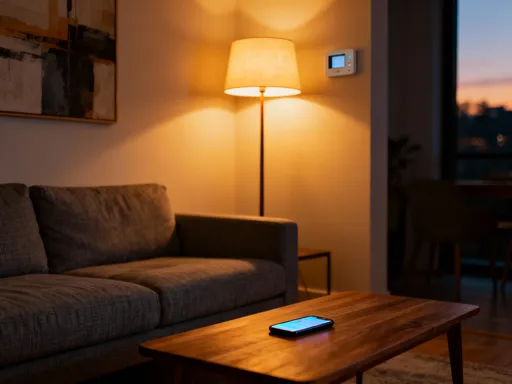
The turning point came during a weekend visit with a friend. I walked into her living room and immediately noticed something: it felt perfect. Not too warm, not too cool—just right, like walking into a cozy hotel suite. I mentioned it, and she smiled. ‘Oh, that’s just my thermostat. It knows what we like.’ I laughed at first. A thermostat that *knows*? Sounded like science fiction. But she showed me her phone—just a simple app—and there it was: a little leaf icon, a clean interface, and a schedule that adjusted automatically throughout the day.
That night, I went home and Googled ‘smart thermostats for real homes.’ Not tech blogs. Not gadget reviews. I wanted to know if this was something *I* could use, not someone with a degree in engineering. What I found surprised me. These weren’t just for tech lovers. They were designed for people like me—busy, caring, overwhelmed—who wanted their home to *work for them*, not against them. The more I read, the more I realized this wasn’t about impressing guests or chasing trends. It was about reclaiming peace.
I ordered one the next week. When it arrived, I’ll admit—I hesitated. What if I couldn’t install it? What if it didn’t understand our schedule? What if it was just another thing to manage? But the setup guide was clear, step by step, with pictures. And within an hour, it was up and running. The real magic started the next day. I didn’t touch the thermostat once—and the house still felt comfortable all day. That was the moment I knew: this wasn’t a gadget. This was a shift.
How It Actually Works: No Tech Skills Needed
You might be thinking, ‘But I don’t even know how to reset my Wi-Fi router. How am I supposed to use a smart thermostat?’ I felt the same way. But here’s the truth: you don’t need to be tech-savvy. At all. Think of it like this—it’s like having a thoughtful housemate who pays attention. You don’t have to tell them every little thing. They notice when you get up, when you leave, when you come back. Over time, they just… know.
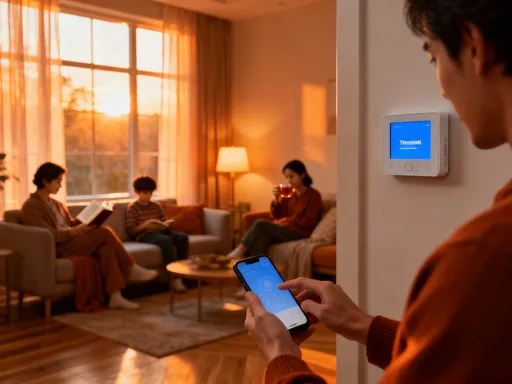
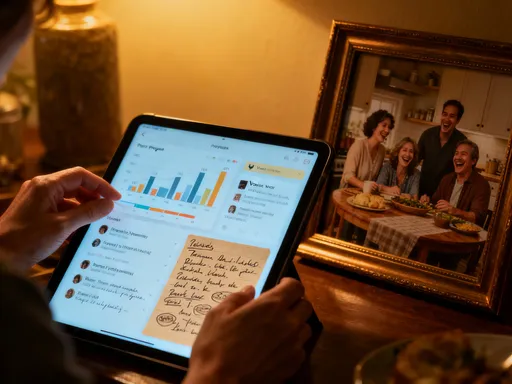
That’s exactly how it works. The thermostat has sensors that pick up on when people are in the room, the time of day, even the weather outside. You use a simple app on your phone—just like checking your email or scrolling through photos. You can adjust the temperature from the couch, from work, or even from vacation. Forgot to turn the heat down before you left for the weekend? No problem. Tap the app, and it’s done.
But the real beauty is in the learning. For the first week or two, you might make a few adjustments—turn it down at bedtime, warm it up in the morning. The system watches those patterns. Then, slowly, it starts doing it for you. It learns that you like it cooler at night, warmer in the early evening when the family gathers in the living room. It adjusts based on the forecast—if a cold front is coming, it warms things up a little earlier. It’s not magic. It’s just smart.
And if you ever want to take control, you can. Want it cooler for a movie night? Just change it in the app. Planning a late dinner? Tell it to stay warm an extra hour. It’s flexible, not rigid. The technology serves you—not the other way around. That’s what made the difference for me. I didn’t feel replaced. I felt supported.
More Than Comfort: Unexpected Gains in Daily Life
I thought the benefit would be simple: a comfortable house. And yes, that alone was life-changing. But what I didn’t expect were the ripple effects. The first morning I woke up to a gently warmed bedroom—no shivering, no sudden jolt of cold air—I realized I felt *calmer*. My body wasn’t fighting the environment. My mind wasn’t racing about the thermostat. I started the day differently.
Then came the time savings. How many minutes a day do we spend adjusting the temperature? Five? Ten? Multiply that by every day of the year, and it adds up. Now, I don’t think about it. I walk in the door after grocery shopping, and the house feels just right. No waiting for the AC to kick in. No cranking the heat and wondering if I’ll forget to turn it down later. That mental load—the constant monitoring—is gone.
And the savings? Real. My energy bill dropped by about 18% in the first three months. Not because I was sacrificing comfort, but because the system was smarter about when and how much to heat or cool. It turns down the heat when we’re asleep or away. It doesn’t overcool in the summer. It’s efficient in a way I could never be, no matter how hard I tried.
But the biggest gain? Mental space. When you stop micromanaging the little things, you make room for what matters. I found myself more present with my kids. More patient. More able to focus on my own goals—reading, journaling, even starting an online course I’d been putting off. That’s the thing about small changes: they don’t just fix one problem. They unlock energy you didn’t know you were losing.
Raising a Family in a Smarter Home: Safety, Sleep, and Peace of Mind
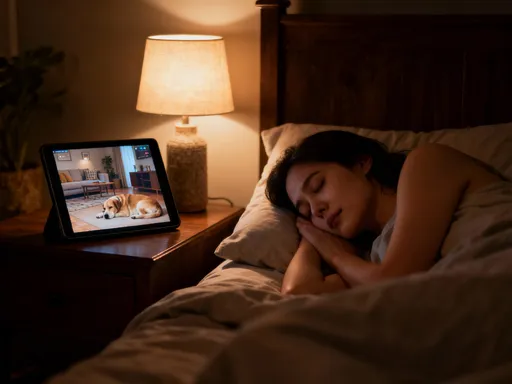
As a mom, my biggest worry isn’t my own comfort—it’s my kids’. And temperature plays a bigger role in their well-being than I ever realized. Babies need a safe, consistent room temperature—around 68 to 72 degrees—to sleep safely and reduce the risk of SIDS. But how many times did I tiptoe into the nursery at night, hand on the baby’s forehead, wondering if the room was too hot or too cold? With the smart thermostat, I can check the temperature from my phone—right from bed. No more guessing. No more waking the baby to adjust the thermostat.
Older kids benefit too. My son used to wake up groggy, his room either stuffy or icy. Now, the system warms his room just before his alarm goes off. He wakes up more easily, in a better mood. And when he’s sick? I can keep his room at the ideal temperature without constantly getting up to check. That kind of care used to feel like a burden. Now, it feels effortless.
And for families with aging parents or relatives staying over, this tech brings real peace of mind. My mother visits every winter, and she’s always felt the cold more. Instead of guessing what temperature she’ll be comfortable at, I can set a schedule for her room. I can adjust it remotely if she says it’s too warm. I can even get alerts if the temperature drops too low—like during a power outage or furnace issue. It’s not just about comfort. It’s about showing love through thoughtful, quiet action.
That’s what I love most: the emotional safety it creates. My home feels more like a sanctuary. There’s less tension. Fewer arguments. More rest. And as a woman who’s spent years trying to make everyone else comfortable, it feels good to finally have a system that helps me do it—without burning myself out.
Learning to Trust Technology—And Yourself
I’ll admit it: letting go wasn’t easy. For years, I prided myself on being the one who managed the house. If the temperature was right, it was because *I* made it happen. Giving that control to a machine felt like admitting I couldn’t handle it. But over time, I realized something important: using smart technology isn’t about giving up control. It’s about choosing a smarter way to care.
Trusting the system taught me to trust myself in a new way. I wasn’t failing by asking for help. I was growing. I was recognizing that efficiency isn’t the enemy of love—it’s an expression of it. When I’m not exhausted from managing every detail, I have more energy to hug my kids, to listen to my husband, to take care of myself. That’s not laziness. That’s wisdom.
And the more I leaned into it, the more I noticed other areas where I could let go. If I could trust a thermostat to care for my home, maybe I could trust myself to rest. Maybe I didn’t have to do everything perfectly. Maybe ‘good enough’—with a little help—was more than enough. That mindset shift spilled into other parts of my life: work, relationships, self-care. I became more flexible. More forgiving. More at peace.
Technology didn’t replace my role as a caregiver. It enhanced it. It gave me the space to be more present, more patient, more *me*. And that, I’ve learned, is the real power of smart living—not convenience for convenience’s sake, but freedom to live with more intention.
A Calmer Home, A Clearer Mind: Why This Small Change Changed Everything
Looking back, I realize that my struggle with the thermostat was never really about temperature. It was about control. It was about the invisible weight of trying to keep everyone happy, comfortable, safe—on my own. I was measuring my worth by how much I could manage, how many little problems I could solve. But peace doesn’t come from doing more. It comes from doing what matters—with support.
Smart temperature control didn’t just make my house more comfortable. It made my life more livable. The arguments stopped. The stress eased. The energy I used to spend on constant adjustments now goes toward things I love—reading with my kids, cooking meals without rushing, even taking long walks with no agenda. My home feels like a true retreat now. A place where we can rest, reconnect, and just *be*.
And in a world that never slows down, that’s a gift. This isn’t about luxury. It’s about sustainability. It’s about creating a home that supports you, not drains you. It’s about giving yourself permission to use tools that make life easier—without guilt. Because when your environment works *with* you, you have more to give to the people you love—and to yourself.
If you’re still adjusting that thermostat multiple times a day, still feeling the tension rise when someone changes the setting, I want to tell you this: it’s okay to let go. It’s okay to ask for help—even if that help comes in the form of a small device on your wall. You don’t have to fight your home to feel at peace in it. Sometimes, the simplest change is the one that brings the deepest calm. And sometimes, the most powerful growth begins not with doing more, but with finally stopping the battle—and letting life flow a little easier.