Beyond Bookmarking: How Learning Apps Help Me Keep What I Love Alive
You know that feeling when you finally understand something beautiful—like a foreign phrase, a guitar chord, or a recipe from your grandmother—and then, days later, it’s just… gone? I used to lose those moments all the time. I’d spend an evening learning how to say “I love you” in my mother-in-law’s native language, only to blank on it during our next visit. I’d finally nail my grandma’s dumpling folding technique, then forget the rhythm the following week. It wasn’t just frustrating—it felt like losing a piece of connection, a thread of love. But now, thanks to apps that do more than just teach, I don’t just learn—I remember. They’ve quietly become my personal memory keepers, turning fleeting insights into lasting parts of my life. And honestly? It’s changed everything.
The Frustration of Forgetting: When Learning Doesn’t Stick
Let’s be real—how many times have you looked up a recipe, followed it perfectly, and then a month later couldn’t remember a single step? Or practiced a yoga pose that finally felt right, only to wobble the next time like you’d never done it before? I’ve been there, so many times. I once spent an entire afternoon learning how to play “Let It Be” on the piano for my daughter’s birthday. She was so proud when I played it, clapping and grinning from ear to ear. But two weeks later, I couldn’t remember the left-hand chords. I sat there, fingers hovering, heart sinking. It wasn’t just the music I’d lost—it was that moment of joy, that look on her face.
That’s the thing about learning something meaningful: it’s not just information. It’s tied to emotion, to connection, to who we are and who we love. When we forget, it doesn’t just feel like a mental lapse—it feels like a small betrayal. Like we’ve let go of something precious. And the truth is, most of us aren’t bad at learning. We’re just bad at keeping. Traditional tools—books, videos, even online courses—help us access knowledge, but they don’t help us hold onto it. They deliver the lesson, then leave us to remember on our own. And in the chaos of daily life—school pickups, laundry, grocery lists, work emails—those delicate threads of learning easily slip through our fingers.
I used to think the problem was me. Maybe I wasn’t trying hard enough. Maybe I wasn’t smart enough. But then I realized: the tools weren’t built to help me remember. They were built to teach, to check a box, to move on. But life isn’t about checking boxes. It’s about moments. And what if the technology we use could actually help us keep those moments alive? What if learning wasn’t just about progress, but about preservation?
More Than Lessons: Apps That Understand What Matters to You
That shift started when I discovered apps that didn’t treat me like a student, but like a person with a life, with feelings, with things I truly care about. One of the first times I felt this was with a language app. I was learning a few phrases in Tagalog, my husband’s mother’s language. Not fluency—just enough to say “Good morning,” “How are you?” and “Thank you.” Nothing fancy. But when I recorded myself saying “Mahal kita,” which means “I love you,” the app didn’t just grade my pronunciation. It saved the recording. And not just once—over time, it kept a timeline of my attempts. The first one was shaky, barely understandable. The third one? Clearer. The seventh? I actually sounded like I meant it.
One evening, I played them back-to-back for my mother-in-law. She listened quietly, then wiped her eyes and said, “You’re trying.” That moment—that quiet acknowledgment—was worth more than any grammar quiz. And it happened because the app didn’t just teach me words. It remembered my journey with them. It held onto something that mattered.
That’s the magic of today’s learning apps: they’re designed to care about what you care about. Whether it’s a cooking app that remembers your great-aunt’s apple pie recipe that you’re trying to recreate, or a music app that tracks your progress on that Beatles song you promised your dad you’d learn, these tools adapt to your life. They let you tag lessons with notes like “For Mom’s birthday” or “Trip to Italy next summer.” They save voice memos, photos of handwritten notes, even your failed attempts. And in doing so, they stop being just tools and start feeling like companions—quiet witnesses to the things you’re trying to hold close.
How Progress Tracking Turns Moments into Memories
We often think of progress tracking as something cold and clinical—streaks, percentages, completion bars. But when it’s tied to something personal, it becomes something entirely different. It becomes emotional. I remember the first time I saw my “30-day streak” badge light up in my meditation app. I didn’t feel proud of the number. I felt proud of the mornings—the quiet cups of tea, the way I didn’t hit snooze, the deep breaths before school drop-off. That little badge wasn’t just marking time. It was marking presence. It was proof that I had shown up for myself, even on the hard days.
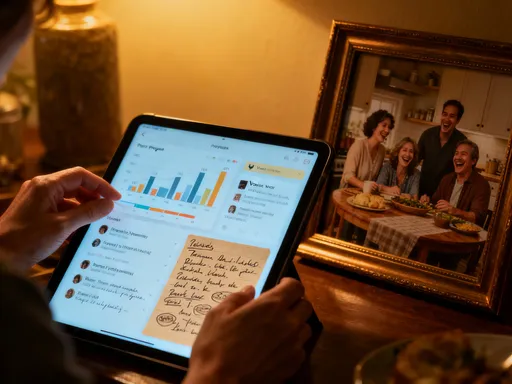
That’s the hidden power of tracking: it turns abstract effort into visible memory. When you look back at your learning timeline and see that you completed a Spanish lesson the night before your trip to Madrid, or that you practiced “Twinkle Twinkle Little Star” the week your niece was born, it’s not just data. It’s a story. It’s a map of your life, marked with the things you’ve tried to grow into.
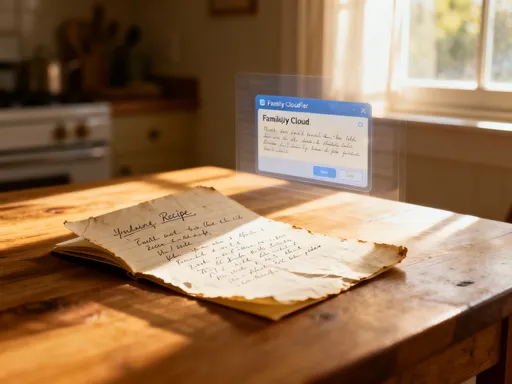
One of my favorite features in a cooking app I use is the “Recipe Journey” section. It shows every time I’ve made a dish—photos I’ve taken, notes I’ve added (“less salt next time”), even the date and weather. Last winter, I made my grandmother’s chicken stew for the first time since she passed. I was nervous, scared I’d get it wrong. But the app had saved my mom’s voice note with the tip: “Simmer it slow, like she did.” Re-reading that note, seeing the photo of the golden broth, I didn’t just remember the recipe. I remembered her kitchen, the smell of thyme, the way she’d hum while stirring. The app didn’t replace the memory—it helped me find it again.
Building a Personal Archive: From Data to Emotional Keepsake
Over time, these little saved moments add up. What starts as a simple lesson becomes a collection. What starts as a single voice note becomes a library of your growth. I’ve begun to think of my favorite learning apps not as tools, but as digital scrapbooks. I don’t just go back to relearn—I go back to reconnect. I’ll open my journaling app and scroll through entries from when I was learning to write poetry. Some are cringey. Some are beautiful. All of them are mine. And seeing how my words have changed, how my confidence has grown, feels like reading a love letter to my past self.
What makes this possible is how these apps are designed—not just to deliver content, but to preserve context. You can tag entries by mood (“feeling brave today”), by occasion (“before my job interview”), by person (“for my sister”). You can export your notes as a PDF, print them, even turn them into a small book. Some apps send you gentle reminders: “You started learning Italian one year ago today. Want to revisit your first lesson?” And when I do, it’s not about testing my memory. It’s about honoring that version of me who was brave enough to begin.
It’s not about being perfect. In fact, the mistakes are often the most meaningful. I still have a recording in my singing app from the first time I tried a high note. I cracked it completely. But I keep it. Because that was the day I finally stopped saying “I can’t sing” and said “Let me try.” The app didn’t judge me. It just held the moment, exactly as it was. And now, when I play my current recordings, the difference isn’t just in my voice—it’s in my spirit.
Sharing What We Keep: Strengthening Bonds Through Shared Learning
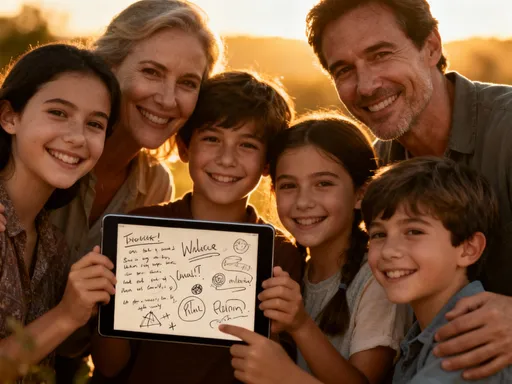
Here’s something I didn’t expect: preserving what I learn has made me closer to the people I love. When I finally mastered that lullaby in Tagalog and sent the recording to my mother-in-law, she called me crying. “I never thought I’d hear that from you,” she said. It wasn’t just a song. It was a bridge. It was me saying, “I see you. I honor where you come from.”
Learning apps make sharing easy, but more importantly, they make it meaningful. I’ve exported certificates from my language app and framed them as gifts. I’ve shared playlists from my music app with my daughter—songs I’ve learned just so we can sing them together in the car. I’ve sent my sister a PDF of my journaling journey with the note: “This is how I learned to be kinder to myself.” These aren’t just achievements. They’re offerings. Quiet ways of saying, “This matters to me, so I hope it matters to you too.”
And it’s not just about giving. It’s about connection. My husband and I started using a couples’ cooking challenge app—simple weekly recipes, tracked together. We don’t always succeed. Last week, our attempt at homemade pasta was more glue than dough. But we laughed. We took a photo. We saved it. Now, when we look back at our “Kitchen Fails” album in the app, it’s not embarrassment we feel. It’s warmth. It’s us, trying, together. The app didn’t just teach us to cook. It gave us a shared story.
Making It Yours: Simple Ways to Start Preserving Today
You don’t need to be tech-savvy to start using learning apps this way. You don’t need to be an expert learner. You just need to care about something—and be willing to let the app help you hold onto it. Start small. After your next lesson, take ten seconds to write one sentence: “Today I learned how to say ‘goodnight’ in French, and I’m going to tell my son tonight.” That sentence? That’s not just a note. That’s a memory in the making.
Use voice notes. So many of us think we have to type everything, but your voice carries emotion that words on a screen can’t. Record yourself saying a phrase, singing a line, explaining a recipe step. Play it back later. You’ll hear not just the words, but the hope in your voice, the nervousness, the pride.
Tag your lessons with feelings or events. “Learned this before my trip to Paris.” “Practiced this when I was feeling anxious.” “For my daughter’s graduation.” These tags turn your learning history into a timeline of your life. And when you revisit them, you’re not just reviewing content—you’re revisiting moments.
Set a monthly reminder to look back. Just five minutes. Scroll through your last month of activity. Celebrate the streaks, yes—but also honor the days you didn’t feel like logging in but did anyway. Those are the quiet victories. And if your app lets you export data, do it. Make a folder on your computer called “My Learning Moments.” Save screenshots, voice clips, certificates. One day, you’ll open it and realize: this is me. This is how I grew.
The Quiet Power of Remembering: Why This Matters Beyond Learning
In a world that’s always rushing forward—new trends, new apps, new demands—it’s easy to feel like we’re constantly losing pieces of ourselves. We forget what we’ve learned, we forget how far we’ve come, we forget the quiet moments that shaped us. But what if we didn’t have to?
Learning apps that help us preserve don’t just make us smarter. They make us more whole. They remind us that growth isn’t just about reaching a goal—it’s about honoring the journey. Every lesson saved, every voice note kept, every mistake recorded is a testament to the fact that we tried. That we cared. That we wanted to be better, to connect more deeply, to keep love alive in small, daily ways.
I used to think technology was cold, impersonal, something that pulled me away from what mattered. But now I see it differently. When used with intention, it can be one of the most human things we have. It can hold our memories when our minds are tired. It can celebrate our progress when we forget to. It can help us say “I love you” in a language we’re still learning, and make sure we never forget how.
So if you’ve ever felt like you’re losing the beautiful things you learn, I want to tell you this: you don’t have to. Start today. Pick one thing you care about. Open an app. And don’t just learn it—save it. Because every small effort you make is worth keeping. And one day, when you play back that shaky first recording or reread that clumsy first poem, you won’t just remember what you learned. You’ll remember who you were becoming. And that? That’s priceless.