Tired of missing your family’s little moments? A simple app habit that keeps everyone close
Life moves fast, and even when we live under the same roof, it’s easy to feel out of sync. You ask your partner, “Did the kids finish their homework?” They look at you blankly. Your teen leaves a note on the fridge that gets lost in the clutter. Sound familiar? I felt that disconnect too—until I discovered how a quiet shift in how we use family note apps changed everything. It wasn’t about more alerts or fancy features. It was about creating a shared rhythm, a digital heartbeat that keeps us emotionally present, even when we’re busy.
The Hidden Gap in Family Communication (Even When We’re Together)
We often assume that living together means staying connected. After all, we see each other every day—breakfast, dinner, the quick handoff of car keys in the morning. But here’s the truth: physical proximity doesn’t always equal emotional closeness. I remember one Tuesday when I asked my husband if he’d reminded our daughter about her orthodontist appointment. He looked at me, confused. “I thought you were handling that,” he said. Meanwhile, our daughter had been quietly stressed all day, wondering if no one remembered. That moment hit me hard. It wasn’t that we didn’t care—we were just operating on different frequencies.
Our lives are full, yes, but the real issue is that we lack a shared space where things are seen and acknowledged. The kitchen whiteboard gets erased too quickly. Sticky notes fall off the fridge. Texts disappear into a sea of group chats and notifications. Important updates—like a change in pickup time, a school event, or even a heartfelt “I’m proud of you”—can easily get lost. These aren’t just logistical oversights; they chip away at the feeling of being part of a team. Over time, that builds up into a quiet loneliness, even in a full house.
What I’ve learned is that the solution isn’t more communication—it’s better communication. And surprisingly, it starts with something simple: a family note app. Not as a replacement for talking, but as a support system that keeps us aligned. Think of it like a shared journal, always open, always visible. When we began using one, it wasn’t about tracking chores or managing schedules (though that helped). It was about creating a central place where everyone could feel seen, heard, and included. That shift—from scattered messages to a shared digital space—was the first step toward feeling truly connected again.
Beyond To-Do Lists: Turning Notes into Emotional Check-Ins
Most families use note apps for one thing: logistics. Buy eggs. Pick up dry cleaning. Sign permission slip. And there’s nothing wrong with that—these tools are great for staying organized. But I’ll let you in on a secret: when we only use them for tasks, we miss their deeper potential. The real magic happens when we start using these apps not just to manage our lives, but to nurture them.
I started small. One morning, instead of just listing the day’s reminders, I added a note at the top: “Good morning, my wonderful family! I know this week has been hectic, but I just want you to know how much I appreciate each of you.” I didn’t expect much of a reaction. But later that day, my teenage daughter sent a voice note back: “Thanks, Mom. That actually made my day.” That moment changed everything for me. It wasn’t the note itself—it was the realization that a few simple words could carry so much warmth.
From then on, we began using the app not just for “what needs to be done,” but for “how we’re feeling.” We created a shared “kudos” note where anyone could add little wins. My son wrote, “Saw Dad fix the leaky faucet without calling a plumber—impressed!” My husband added, “Caught Lily practicing her spelling words on her own—so proud!” These weren’t grand gestures. But over time, they built something powerful: a culture of appreciation. The app stopped being just a tool and started feeling like a living scrapbook of our family life.
Here’s what I’ve found works best: keep it light, keep it real, and don’t overthink it. You don’t need perfect grammar or poetic words. A simple “I saw you helping your sister with her backpack today—thank you” can mean more than a long speech. These micro-messages don’t just inform—they affirm. They tell each person, “I notice you. I value you. You matter.” And in the rush of daily life, that kind of reassurance is priceless.
Designing Quiet Moments of Connection in a Noisy World
We’re surrounded by noise—pings, alerts, endless scrolling. It’s no wonder that even when we’re together, we can feel miles apart. I used to dread family dinner because everyone was half-watching their phones. But instead of fighting the digital world, I realized we could use it to bring us closer—on our own terms.
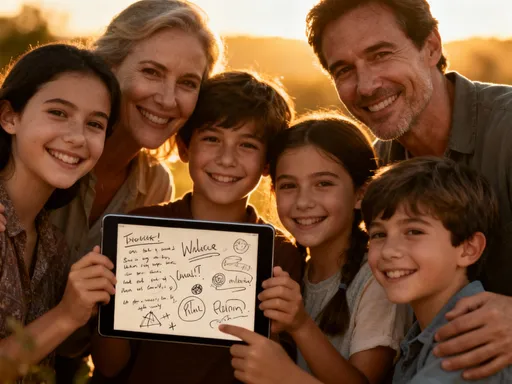
The key? Intentionality. We set a “golden hour” every Sunday evening—just 20 minutes—where we gather around one tablet and review the week’s notes together. No other screens. Just us, the shared app, and a bowl of popcorn. We laugh over silly doodles my youngest leaves in the margins. We celebrate the small wins: “I got an A on my math quiz!” or “Mom finally planted the herbs she’s been talking about!” And sometimes, we talk about things that came up in notes but needed more than a message: “You said you were feeling stressed—want to tell us more?”
This ritual transformed how we relate to the app. It’s no longer just something we check on our phones in passing. It’s a bridge between our digital and real lives. The notes become conversation starters, not replacements for conversation. And something beautiful happens in those quiet moments: we slow down. We listen. We reconnect.
If your family is used to scattered communication, start small. Pick one time each week—maybe Friday night or Sunday morning—when everyone can pause and reflect together. Use a shared screen so no one feels isolated. And don’t worry about making it perfect. The goal isn’t productivity; it’s presence. When you turn digital content into face-to-face connection, you’re not just sharing information—you’re building intimacy.
Customizing for Different Ages: Making It Work for Kids and Adults Alike
One of the biggest mistakes families make with tech tools is trying to force everyone into the same system. But let’s be real: a 7-year-old doesn’t communicate like a 14-year-old, and neither of them talk like an adult. The secret to making a family note app work for everyone is flexibility.
For younger kids, typing can be a barrier. So we use voice notes. My youngest loves recording little messages: “Hi Mom! I drew a dinosaur today!” Sometimes it’s just giggles, but it’s her way of saying, “I’m here. I want to share.” We also use emojis. A simple heart, a thumbs-up, or a smiley face can be enough for a child to acknowledge a message. It’s not about formality—it’s about inclusion.
Teens, on the other hand, value privacy. They might not want to post a note that the whole family sees. That’s why we use private comment threads within the app. My daughter once wrote, “Can we talk about my science grade later?” It wasn’t dramatic. It wasn’t urgent. But it gave her control over the conversation. She chose when to bring it up, and we respected that. Those small moments of autonomy make a big difference in keeping teens engaged.
For adults, clarity is key. We use color-coded tags: blue for school, green for family events, red for urgent reminders, and yellow for appreciation notes. At a glance, we can see what matters. No more digging through messages. And because the system is consistent, everyone knows where to look. When each person feels the app works for them—not against them—participation becomes natural, not forced.
Building Trust Through Consistency, Not Frequency
You don’t have to post every day to make this work. In fact, trying to do too much too soon can backfire. The real power of a family note app isn’t in how often you use it, but in how reliably you use it.
Early on, I made the mistake of sending notes every day. I thought more was better. But after a week, I burned out. The kids stopped checking. It felt like just another chore. Then I shifted my approach: instead of daily posts, I committed to one weekly update every Sunday night. I called it our “Family Pulse.” It included a quick recap of the week, a preview of what’s coming up, and a few words of encouragement. That’s it.
But here’s what happened: because it was predictable, my family started to expect it. My daughter would ask, “Did you post the Family Pulse yet?” My husband began adding his own notes. Over time, that one weekly message became something we all looked forward to. It wasn’t the content that mattered most—it was the consistency. It signaled that someone was paying attention. That someone cared enough to show up, week after week.
Trust grows in small, steady ways. A short “Thinking of you all—sleep well!” note on a random Tuesday can mean more than a long message on a busy day. It says, “I’m here. I’m thinking of you.” When your family knows they can count on that presence—even if it’s quiet—it builds a sense of safety and belonging that no amount of daily chatter can replace.
Turning Shared Notes into Lasting Family Memories
Most digital content disappears. Texts get deleted. Photos get lost in folders. But family notes? They can become something more. They can be preserved, revisited, and cherished.
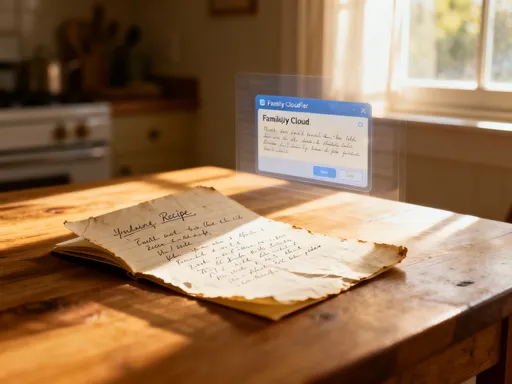
Here’s what we do: at the end of each month, I export all the notes into a simple PDF. I add a cover with the month and a family photo—sometimes a silly one from dinner, sometimes a candid from a weekend walk. I save it in a shared folder called “Our Year in Notes.” It’s not fancy. But it’s ours.
Recently, I opened the file from last March. I read a note from my son: “Dad burned the pancakes again!” followed by a string of laughing emojis. I remember that morning—how we all groaned, then laughed, then ate the slightly charred stack anyway. That note brought it all back. Another time, my daughter wrote, “We finally fixed the porch light together.” It wasn’t just about the light. It was about the three of us standing on the ladder, passing tools, working as a team.
These aren’t milestone moments—no birthdays, no graduations. But they’re the fabric of our everyday life. And when you collect them, you start to see how rich that fabric really is. Years from now, when my kids are grown, I hope they’ll look through these files and feel what I feel now: warmth, connection, love. Because these notes aren’t just reminders—they’re keepsakes. They’re proof that we were here, together, living our lives one small moment at a time.
The Ripple Effect: How Small Notes Create a Calmer, Closer Home
When communication flows smoothly, everything else gets a little easier. Misunderstandings decrease. Stress drops. Kids feel seen. Parents feel supported. That’s the ripple effect of a simple family note app—when used with heart, it becomes more than a tool. It becomes a quiet force for emotional stability.
One mom I spoke with told me that since starting a note routine, bedtime arguments with her kids dropped by half. “They know if something’s on their mind, they can leave a note instead of waiting until the last minute,” she said. Another parent shared that their once-distant teenager began leaving more messages—simple things like “Thanks for the ride” or “I liked dinner tonight.” “It’s like they’re listening after all,” she said, her voice catching.
These changes start small. But they grow deep, like roots under a tree. A well-placed note can prevent a missed appointment. A kind word can turn around a bad day. A shared joke can spark a family tradition. And over time, these moments build a home that feels calmer, kinder, and more connected.
I won’t pretend that a note app solves everything. It won’t fix every argument or erase every worry. But it creates space—for love, for clarity, for belonging. It reminds us that even in the busiest seasons, we’re not alone. We’re a team. And sometimes, all it takes is one small note to bring that truth back into focus.
In the end, technology doesn’t have to feel cold or disruptive. When used with heart, a simple family note app can become a vessel for love, clarity, and belonging—one small note at a time.