From Silent Moments to Meaningful Connections: How Voice Memos Brought Us Closer
Have you ever tried to share a fleeting thought, a laugh, or a quiet “I love you” and felt words on a screen just weren’t enough? I used to rely on texts and calls—until I discovered how simple voice memos could deepen my relationships. No more misread tones, no sterile emojis. Just real voices, real emotions. This isn’t about fancy tech—it’s about heart. Let me show you how something as small as a voice note transformed the way I stay close to the people who matter. It didn’t take a big change, just a small shift in how I communicate. And honestly? It brought more warmth, clarity, and comfort into my days than I ever expected from something so simple.
The Distance That Texts Can’t Bridge
Remember that time you sent a quick “I’m fine” when you weren’t? Or typed “LOL” even though nothing was funny? We’ve all been there. In our rush to stay in touch, we’ve traded depth for speed. A text is fast, clean, efficient—but it’s also flat. It doesn’t carry the warmth of your mom’s chuckle or the softness in your sister’s voice when she’s tired. And that missing layer? That’s where misunderstandings grow. I once sent my best friend a message saying, “We’ll talk later,” and she thought I was upset. I wasn’t—I was just running out the door with my toddler hanging off my leg. But without tone, my words landed wrong. She read silence as coldness. That moment hit me hard. How many times had my intentions been lost in translation? How many little rifts had formed not because of what I said, but because of how it was received?
Technology promised to keep us closer, but sometimes it does the opposite. We’re more connected than ever, yet so many of us feel emotionally distant. Group chats buzz with updates, but they lack soul. Emojis try to fill the gap, but a smiley face isn’t the same as hearing someone actually laugh. I started noticing how often my family conversations felt transactional: “Did you pick up the milk?” “What time is soccer?” “Don’t forget Grandma’s appointment.” Necessary, yes—but not nourishing. We were exchanging information, not connection. Then one day, my niece sent me a voice memo. Just 12 seconds. She was in the car, spotting butterflies, and she whispered, “Auntie, look! A yellow one!” Her voice was full of wonder. I played it three times. And in that moment, I didn’t just hear her words—I felt her joy. It was like she was right beside me. That tiny clip did what a thousand texts never could. It reminded me: we don’t just need to be heard—we need to be felt.
Why a Simple Voice Note Feels Like a Hug
There’s something almost magical about hearing a loved one’s voice. Scientists actually know why—it’s not just sentiment. When we hear someone’s voice, especially someone familiar, our brains light up in ways that reading text simply can’t match. The tone, the pace, the little pauses—they all carry emotional data. A sigh tells you someone’s tired. A giggle tells you they’re happy. Even silence between words can feel comforting, like sitting together quietly on a porch swing. Voice isn’t just communication; it’s presence. And in a world where we’re often physically apart, that sense of presence is priceless.
Think about the last time someone you love said, “I love you” out loud. Now think about seeing “I love you” in a text. They’re the same words, but the feeling is different, isn’t it? The spoken version carries weight. It lands in your chest. I started collecting little voice memos from my kids—silly songs, bedtime whispers, stories about their day. One evening, after a long week of work and errands, I played one from my daughter. She was trying to pronounce “rhinoceros” and kept saying “wino-cuh-ross.” She giggled at herself and said, “I’ll get it next time!” I laughed out loud, even though I was alone. That 20-second clip lifted my whole mood. It wasn’t just cute—it was grounding. It reminded me why I do what I do. These small audio moments build emotional safety over time. They say, “I’m here. I’m thinking of you. You matter.” And when life gets loud and overwhelming, that reassurance is everything.
For my mom, who lives two states away, voice memos changed everything. She’s not big on texting or video calls, but she loves listening to short voice messages. I started sending her updates while I folded laundry—just little snippets: “Hey Mom, the tulips are blooming,” or “Made your apple pie recipe today—smells like home.” She told me those messages made her feel included in my day, like she was sitting at the kitchen table with me. “I can hear your life,” she said. That phrase stuck with me. We don’t always need long conversations. Sometimes, just hearing the rhythm of someone’s day is enough to feel close.
Getting Started: Sending Your First Voice Memo (No Tech Stress!)
If you’ve never sent a voice memo, I get it—it can feel awkward at first. What if you stumble over your words? What if it sounds too quiet? Here’s the truth: no one expects perfection. In fact, the little imperfections—the breath before you start, the way your voice cracks when you laugh—that’s what makes it real. And the good news? Sending a voice memo is easier than sending a photo. You don’t need any special apps or downloads. Every smartphone has a built-in voice recorder. On an iPhone, it’s called Voice Memos. On most Android phones, it’s just “Recorder” or “Voice Recorder.” You can find it in your apps list—usually with a little microphone icon.
Here’s how to do it: Open the app, tap the red circle, and start speaking. That’s it. You don’t have to write a script. Just say what’s on your heart. “Hi, just wanted to hear your voice,” or “The kids are asleep and I’m drinking tea—thinking of you.” When you’re done, tap the stop button. You’ll see a little audio clip. Now, to share it, go back to Messages or WhatsApp. Type your contact’s name, then tap the “+” or the paperclip icon. Look for “Audio” or “Voice Memo” and select the one you just recorded. Hit send. Done. Some phones even let you record and send directly within the messaging app—just hold down the microphone icon next to the text box in WhatsApp or iMessage. Speak, release, and it sends automatically. No fuss, no stress. And if you mess up? Record it again. Or don’t. Sometimes the first try is the most honest.
I remember my first voice memo. I was nervous—felt like I was recording a podcast or something. I said, “Um, hi, it’s me. Just checking in.” I listened back and cringed. But I sent it anyway. My sister called me five minutes later, laughing. “That was so you,” she said. “I loved it.” And that’s the beauty of it. People aren’t judging your audio quality. They’re just happy to hear you. So don’t overthink it. Just press record and speak from the heart. That’s all it takes.
Turning Daily Moments into Meaningful Messages
One of the best things about voice memos is how easily they fit into your day. You don’t need a special occasion. You don’t need to sit down for a long chat. You can send one while you’re waiting for the coffee to brew, walking the dog, or stirring soup on the stove. These aren’t grand gestures—they’re tiny threads of connection that weave through your life. And over time, they build something strong.
I started pairing voice memos with my daily routines. Every morning, after I pour my coffee, I send one to my sister. Sometimes it’s just, “Sun’s up. Kids are loud. But I’m grateful.” She does the same. We don’t always reply—just knowing the other heard it is enough. On weekends, I record little updates for my nieces and nephews. “Guess what? I saw a raccoon in the backyard last night. He stole my corn!” They love it. One of them sent me a voice memo back, whispering, “Auntie, raccoons are sneaky. You need a trap.” We both laughed so hard. These exchanges don’t take time—they make time feel richer.
Some of my most cherished voice memos are the ones I send to my kids when I’m away. I recorded a bedtime story once while I was at a work trip. I sent it to my husband and asked him to play it at night. When I got home, my son said, “I listened to your voice every night. It was like you were here.” That hit me right in the heart. You don’t need to be physically present to offer comfort. Your voice can cross miles and still hold someone close. And it’s not just for kids. A friend of mine sends her aging dad short updates every Sunday: “Dad, the roses are blooming. I cut a few and put them on your porch.” He plays the message every morning. “Hearing her voice starts my day right,” he told me. That’s the power of a 30-second clip.
Strengthening Family Bonds Across Generations
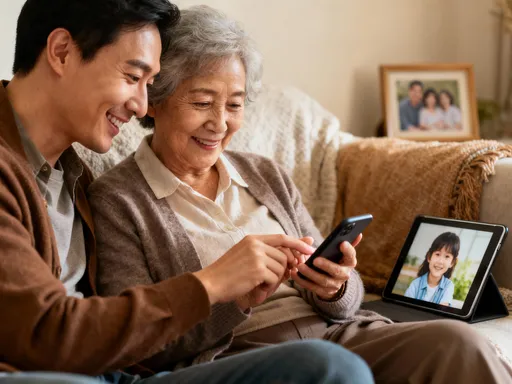
One of the most beautiful things I’ve seen is how voice memos connect generations. Grandparents who struggle with texting or video calls often find voice messages easier. They can press one button to listen, and another to reply. No typing, no small screens, no confusing interfaces. Just speak and listen. My mom’s generation didn’t grow up with smartphones, but they grew up with voices—on the phone, on the radio, in their homes. So this feels familiar. Natural.
In our family, we started a “voice thread” every Sunday. Instead of a group text that no one reads, we each send a short voice memo to a shared family group on WhatsApp. My teenage nephew talks about his basketball game. My 80-year-old aunt shares what she planted in her garden. My cousin’s toddler sings a song. We don’t reply to each one—just listen. And somehow, that simple act makes us feel more connected than ever. My aunt told me, “I feel like I’m sitting at the table with all of you.” That’s powerful. For older family members, isolation can be a real struggle. But hearing the voices of their loved ones—even briefly—can ease that loneliness. And for the younger ones, it’s a chance to hear stories, accents, and expressions that carry family history.
I recently helped my dad record his first voice memo. He was nervous, like I was. He cleared his throat and said, “Uh, hi everyone. It’s Dad. Just wanted to say… I’m proud of you all.” We all cried when we heard it. Not because it was perfect—but because it was him. His voice, his pause, his quiet pride. That message is saved. It always will be. Someday, my kids will hear it and know what their grandpa sounded like. That’s not just communication. That’s legacy.
Voice Memos as Emotional Anchors in Busy Lives
We live in a world that never stops. Notifications ping, schedules fill, and days blur together. In the rush, it’s easy to feel disconnected—from others, and even from ourselves. Voice memos offer a different rhythm. They’re slower. More intentional. When you send one, you pause. You breathe. You speak from the heart. And when you receive one, you do the same. You press play. You listen. You let the voice fill the space.
I’ve started using voice memos as emotional anchors. On tough days, I listen to a clip from my mom saying, “You’ve got this, sweetheart.” Before bed, I play one from my daughter singing her favorite lullaby. During my commute, I hear my sister’s voice saying, “Don’t forget to drink water today.” These aren’t just messages—they’re touchpoints. They ground me. They remind me I’m not alone. And they help me stay present, even when life pulls me in ten directions.
There’s also something deeply comforting about knowing these voices are saved. Life changes. People move. Kids grow up. But your voice stays. I have a folder on my phone called “Precious Voices.” It’s full of clips—from my son’s first words to my grandmother’s recipe instructions. I don’t know what the future holds, but I know these voices will always be there. They’re digital keepsakes. Emotional heirlooms. And one day, I hope my children will listen to them and feel the same warmth I do now.
Making It a Habit: Small Steps, Big Impact
If you’re thinking about trying voice memos, I’ll leave you with this: start small. You don’t need to send one every day. You don’t need to be poetic or profound. Just try it once. Send a 10-second clip to someone you love. Say something simple. “I saw a pretty sky today and thought of you.” “Made your favorite soup. Hope you’re doing well.” “Just heard a song and it reminded me of our road trip.” That’s enough.
The beauty of voice memos is that they grow with you. At first, it might feel a little strange. But soon, it becomes second nature. I now pair mine with habits I already have—after my morning coffee, during my evening walk, while I’m waiting for the kids’ school pickup. It takes seconds, but the impact lasts much longer. And the more you do it, the more natural it feels. Your voice becomes a thread that ties your relationships together.
And remember, this isn’t about adding another task to your list. It’s about enriching the connections you already value. It’s about saying, “You matter,” in a way that text can’t capture. In a world that often feels fast and impersonal, your voice is a gift. It carries your presence, your care, your love. So go ahead—press record. Say what’s in your heart. Because sometimes, the simplest things—like hearing someone say your name in their voice—can mean the most.