What If Planning Hangouts Felt as Easy as Sending a Text?
Ever tried organizing a get-together and ended up spending more time coordinating than actually enjoying time with friends? You're not alone. Between juggling schedules, chasing replies, and deciding where to go, something meant to be fun often feels like work. But what if the tools you already use every day could quietly handle the chaos—so you could focus on the laughter, the stories, the real reason you wanted to meet in the first place? Imagine a world where planning didn’t steal your energy, but instead protected it. That world isn’t far off. In fact, it’s already here, tucked inside the phone in your pocket.
The Hidden Stress of Simple Plans
Let’s be honest—planning a small get-together shouldn’t feel like running a project at work. But how many times have you found yourself staring at a messy group chat late at night, trying to piece together who’s free, where they want to go, and why no one’s replied in three days? You send a message: "Coffee this week?" And then… silence. Or worse, ten different suggestions, none of which work for you. Suddenly, what should’ve been a joyful moment of connection turns into mental clutter.
I remember one Sunday, I just wanted to see my closest friends before my daughter’s recital. Nothing fancy—just a quick brunch. But by the time we finally locked in a place and time, I felt more drained than if I’d hosted the whole thing myself. There were polls no one voted in, messages buried under grocery lists and school updates, and that one friend who always says, "I’m good with anything," which somehow makes it harder. The truth is, we’re not bad at planning—we’re just using tools that weren’t built for real life.
This isn’t just about inconvenience. That little bit of stress adds up. It makes us hesitate before reaching out. We start thinking, "Is it worth the hassle?" And slowly, without even realizing it, we see each other less. The emotional cost isn’t in the missed event—it’s in the quiet distance that grows when we stop trying. We weren’t made to thrive on endless back-and-forth. We were made for connection, not coordination. And yet, we keep using methods that demand the latter while promising the former.
What if we didn’t have to choose? What if the same technology we use to check the weather or order dinner could also help us stay close—without the headache?
How Technology Quietly Took Over the Mess
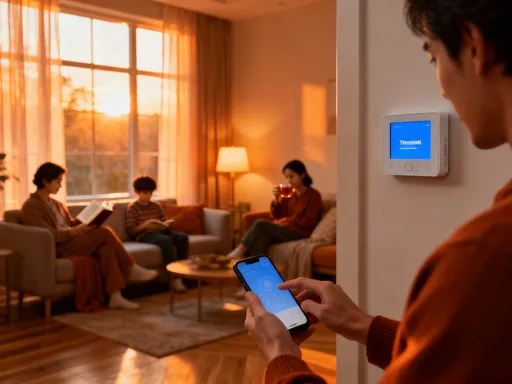
Here’s the good news: it already has. You might not have noticed, but behind the scenes, your phone has been getting smarter about your life. And I don’t mean in a creepy, "it’s listening to me" way. I mean in the gentle, helpful way—like when your calendar automatically adjusts for daylight saving, or your map app knows you leave work at 5:30 and starts navigation before you even tap it.
These small things? They’re part of a quiet revolution in how we manage our time and relationships. Think about it: we’ve let technology handle our bills, our groceries, even our workouts. So why do we still expect ourselves to manually wrangle friend hangouts like it’s 2005? The tools have evolved. Our habits just haven’t caught up.
Modern apps now use simple intelligence to reduce the mental load. For example, shared calendars can detect free time across time zones. Messaging apps let you create events right inside the chat. Some even suggest times based on everyone’s usual routines. It’s not about replacing human connection—it’s about removing the friction that keeps us from it. It’s like having a thoughtful friend who remembers who’s busy on Wednesdays, who hates crowded places, and who always needs to leave by 7 because of bedtime routines.
The best part? You don’t need to be tech-savvy to use them. These tools are designed to blend into your life, not dominate it. They work in the background, learning from your habits, so you don’t have to think twice. And over time, they help you protect what matters—your energy, your peace, and your ability to show up fully when you finally do meet.
It’s not magic. It’s just smart design meeting real life. And once you start using it, you’ll wonder how you ever planned anything without it.
The Magic of One Tap: Shared Calendars That Actually Work
Let me tell you about my "squad calendar." A year ago, my closest group of mom friends were constantly missing each other. Someone always had a doctor’s appointment, or a school event, or just needed a rare quiet night at home. We loved each other, but we were out of sync. Then, one of us—Sarah—sent a simple invite: "Join our group calendar?" One tap, and just like that, we were connected.
Now, we each have our own color. Green means free, yellow means maybe, red means nope—no explanations needed. When someone wants to plan something, they just glance at the calendar. No more guessing. No more "Let me check with my husband first." No more double-booking. We set it up to show only free/busypriority times, so no one feels like their whole schedule is on display—just enough to make planning easy.
Here’s how it changed everything: last month, the calendar flagged a Saturday where all five of us had the afternoon open. A notification popped up: "Your group has free time this weekend. Want to schedule something?" We hadn’t talked about meeting in weeks. But because the app made it visible—and effortless—we said yes. We met for iced tea in the park, laughed about old times, and no one mentioned planning. Not once. Because it had already happened, quietly, in the background.
That’s the real magic. It’s not about control. It’s about clarity. It’s about giving everyone the same information so no one feels like the burden of organizing. And it’s about reclaiming spontaneity—even as adults with packed lives. You don’t have to wait for someone to take charge. The system does it for you.
Setting one up takes less than ten minutes. You can use Google Calendar, Apple Calendar, or even Outlook. Just create a shared calendar, invite your group, and agree on a color code. You can even set reminders for birthdays or anniversaries—because remembering those moments matters, but shouldn’t take mental space.
When you stop wasting energy on logistics, you have more to give when you’re together. And isn’t that the whole point?
Group Chats That Don’t Drive You Crazy
We all have that one group chat. You know the one—the name is something like "Girls Night (For Real This Time)" and it’s been active for three years but only met twice. It’s full of voice notes, memes, and unanswered questions like "Did we pick a date?" It’s alive, but it’s not working.
The problem isn’t the chat. It’s that we’re asking it to do too much. We’re using a conversation tool to manage decisions, timelines, and plans. No wonder it feels messy. But what if your chat could help you plan—without leaving the conversation?
Modern messaging apps like WhatsApp, Facebook Messenger, and iMessage now have built-in planning features. You can create polls for dates or restaurants, share your live location to meet up, or even turn a message into an event that syncs to everyone’s calendar. And the best part? You don’t have to switch apps. It all happens right there, in the flow of your chat.
Here’s what it looked like for us: We were arguing—again—about where to eat. "Italian?" "Too heavy." "Sushi?" "Too expensive." "How about that new café?" "Is it even open on Sundays?" It was going nowhere. Then Maria tapped the little poll button and said, "Pick your top two." Five options, two votes each. Within ten minutes, we had a clear winner. She tapped "Create Event," added the time, and boom—everyone got a calendar invite. No follow-up messages. No "Wait, where are we going again?" It was done.
That small shift changed the tone of our chats. Now, when someone suggests something, others respond with "Make a poll?" instead of "Ugh, I don’t know." It removes the pressure to decide. It makes everyone feel heard. And it turns chaos into collaboration.
You don’t need a new app. You probably already have the tools. Next time your group is stuck, try using a poll. Or turn a message into an event. See how much calmer the conversation feels. Because when planning is easy, connection becomes natural.
When Apps Know Your Favorite Spots
Have you ever gotten a notification that felt… thoughtful? Not pushy. Not salesy. Just kind of sweet? Like when your phone reminds you, "You usually call your sister on Sundays," or when your music app creates a playlist of your go-to songs for school runs?
Now imagine that same kindness applied to your friendships. Some apps now use your past behavior to suggest plans—gently, helpfully. For example, if you and your friends always meet at that cozy bookstore café on Sunday afternoons, the app might say: "Your group is free this Sunday. Reserve your usual spot?" It’s not guessing. It’s remembering. And that makes all the difference.
This isn’t about big data or creepy tracking. It’s about pattern recognition—something humans do naturally, and now technology can assist with. When you visit the same places at similar times, apps learn those rhythms. And instead of bombarding you with ads, they can offer useful, timely suggestions that feel personal.
One of my friends got a notification: "It’s been six weeks since you all met. Free this Thursday?" She laughed—because it was true. Life had been busy, and no one had reached out. But the app noticed the gap and gently prompted her. She forwarded the message to the group with a heart emoji. We met that week. It was simple. It was joyful. And it happened because technology helped us care a little easier.
These features are already available in calendar apps, messaging platforms, and even some restaurant reservation tools. You don’t need to turn on anything fancy—just keep showing up in the same places with the same people. Over time, your phone starts to "get" your friendships. And when it does, it becomes less of a device and more of a helper—one that supports your relationships instead of distracting from them.
Think of it like this: your phone already knows your shopping habits, your sleep schedule, and your favorite music. Why shouldn’t it also know who matters to you—and help you stay close?
Reclaiming Time for What Actually Matters
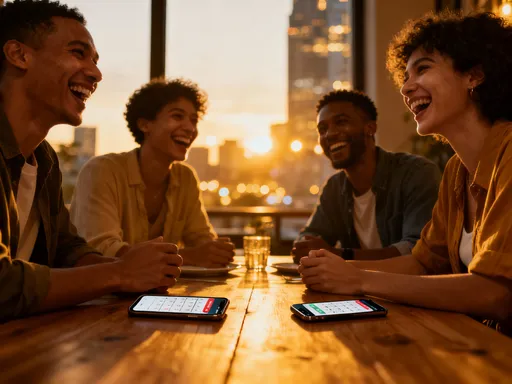
When the planning stops being hard, something beautiful happens: you actually enjoy the time together. No one brings up the struggle of scheduling. No one apologizes for being late because of a miscommunication. There’s no "I thought we were meeting at 2!" or "Wait, where did we agree to go?" Instead, you walk in, hug your friends, and pick up right where you left off.
Last month, we met for dinner—no drama, no last-minute changes. The reservation was confirmed through the app. The time was clear. Everyone arrived relaxed. And because we weren’t tired from planning, we stayed two hours longer than we meant to. We talked about our kids, our dreams, the books we’re reading, the things we’re nervous about. We were present. Really present.
That’s what gets lost when planning feels like work. We show up, but part of us is still back in that endless chat thread, still carrying the weight of coordination. But when the logistics are handled quietly—by tools that respect our time—we can finally let go. We can laugh louder. Listen deeper. Stay longer.
And it’s not just about more time. It’s about better quality time. When you’re not stressed, you’re more open. More patient. More yourself. Your friends see the real you—not the version that’s juggling five things at once.
Technology doesn’t replace the heart of friendship. It protects it. It clears the clutter so the connection can breathe. It gives you back the mental space to care—not just about planning, but about being there.
And honestly? That’s the gift we all need. Not another app. Not another gadget. Just the chance to be together, without the friction.
Building Better Friendships, One Smoother Plan at a Time
At the end of the day, friendship isn’t about how often you meet. It’s about how seen you feel when you do. And the truth is, we’re more connected than ever—and yet, so many of us feel lonely. Not because we don’t care. But because life gets loud. And the small things—like planning—become big barriers.
But it doesn’t have to be that way. You don’t have to choose between staying close and staying sane. With a few simple tech tools, you can do both. You can keep your friendships alive without burning out. You can honor the people you love with your presence—not just your good intentions.
Better planning isn’t about efficiency. It’s about intention. It’s about saying, "You matter," not just in words, but in action. It’s about removing the obstacles so you can show up—fully, freely, and with joy.
So here’s my invitation to you: pick one small change. Try a shared calendar with your closest friends. Use a poll in your next chat. Let your phone help you remember what matters. See how it feels to plan without the stress.
Because you deserve friendships that feel light, not heavy. You deserve to spend your energy on laughter, not logistics. And you deserve to know that staying close doesn’t have to cost you peace.
Let technology handle the details. You focus on the moments. That’s where the magic really lives.