I kept losing Grandma’s recipe: How sharing family dishes brought us closer than ever
You know that moment when you taste a dish and suddenly you’re ten years old again, sitting at your grandmother’s kitchen table? I felt that—and nearly lost it forever when her handwritten recipe faded beyond reading. But what started as a panic to save one meal turned into something bigger: a way to reconnect, share, and grow our family circle without distance or time stealing the magic. This is how technology quietly helped us preserve more than flavors—it saved our stories. It wasn’t about fancy gadgets or complicated apps. It was about using simple tools to protect what matters—our memories, our traditions, and the quiet love baked into every family dish we pass down.
The Recipe That Almost Vanished
It started with a dumpling. Not just any dumpling, but the kind my grandmother made every Lunar New Year—plump, juicy, wrapped in soft dough that melted in your mouth. She never measured anything. A pinch of this, a splash of that. But in her final years, she wrote it down for me, in that shaky but determined handwriting only elders seem to master. I remember her handing me the card with a smile: “So your children can taste home too.”
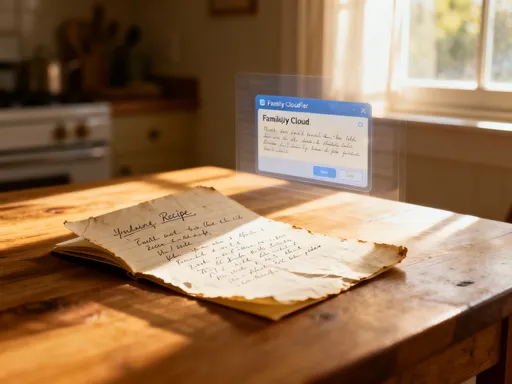
That little slip of paper became sacred. I kept it in a recipe box, tucked between pages like a museum artifact. But time, humidity, and too many sticky fingers later, the ink had faded. Words blurred. Measurements vanished. I could still see “ginger,” “sesame oil,” and “fold like a crescent,” but the proportions? Gone. I tried to recreate it from memory, tasting as I went, adjusting, hoping. But it was never quite right. There was always something missing—something that couldn’t be measured in teaspoons.
And then it hit me: I wasn’t just losing a recipe. I was losing a voice. A moment. A connection. That dumpling wasn’t just food—it was a thread linking me to my childhood, to my grandmother’s kitchen, to a sense of belonging that no store-bought meal could replace. I imagined my daughter asking me one day, “What did Grandma’s dumplings taste like?” and me standing there, helpless, with nothing but a blurry memory. That fear lit a fire in me. I didn’t want future generations to inherit empty stories. I wanted them to taste the truth.
So I made a promise—not just to myself, but to my family. I would save it. Not just that recipe, but all of them. The stir-fries, the soups, the holiday sweets that only Aunt Mei could get right. I didn’t know how yet, but I knew one thing: paper wasn’t enough anymore. I needed something stronger. Something that could outlast time.
From Faded Paper to Digital Keepsake
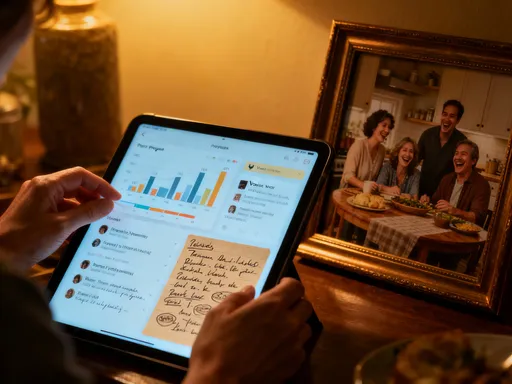
The first step was simpler than I thought. I grabbed my phone, opened the camera, and took a clear photo of the faded recipe card. Then another. And another. I scanned every old recipe I could find—some written on napkins, others in school notebooks, a few even on the back of old bills. I uploaded them all to a shared cloud folder, the kind most of us already have but rarely use for anything meaningful. No special tech. No learning curve. Just tap, upload, done.
But then I added something extra: notes. Next to each recipe, I typed a little story. “Grandma made this the year the power went out and we cooked on a camping stove.” “Mom used this for her first dinner with Dad.” Suddenly, the recipes weren’t just instructions—they were memories with flavor. The act of typing those notes felt like whispering secrets to the future. I wasn’t just saving how to make something. I was saving why it mattered.
My cousin in Toronto noticed it first. “Wait, this is the red-braised pork we had at Grandma’s 80th?” she texted. “I’ve been trying to remember that taste for years.” She downloaded the recipe, made it that weekend, and sent a photo back: golden, glistening, perfect. “It’s exactly the same,” she wrote. That moment hit me like a wave. This wasn’t just about me. It was about all of us. A recipe on paper dies quietly. But a recipe online? It travels. It lives. It gets cooked, shared, loved.
And the best part? No more arguments over “How much sugar did she actually use?” Everyone sees the same version. No more “I thought you had the real one.” No more lost notebooks. Even when my mom moved to a new house and packed everything away, the recipes stayed right where they were—safe, searchable, and still full of soul. Technology didn’t erase the past. It protected it. It gave us a way to honor tradition without being chained to it.
A Shared Kitchen, No Matter the Distance
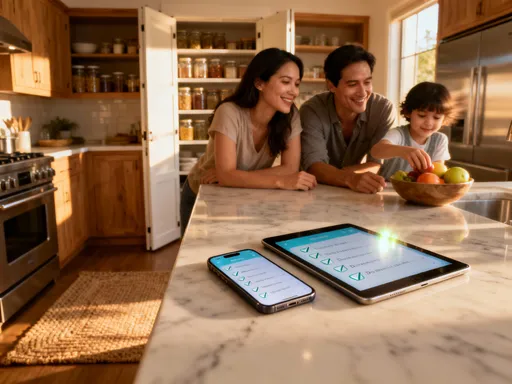
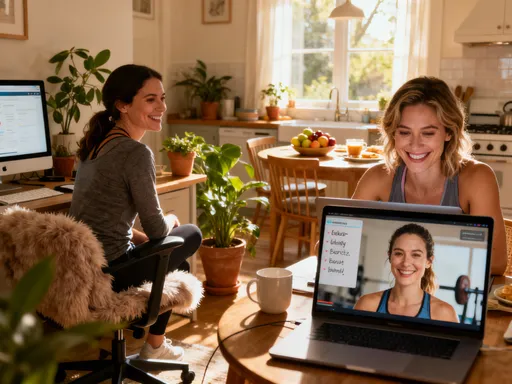
Next, I wanted us to do more than just read the recipes. I wanted us to cook together—even if we were thousands of miles apart. So I created a private family group on a photo-sharing app, the kind most people use for vacation snaps or baby photos. Ours became a kitchen wall. Every time someone cooked a family dish, they posted a picture. Sometimes with a voice note: “I added extra garlic, hope that’s okay!” or “The kids helped fold—look at these lopsided dumplings!”
One night, I opened the app and saw a photo from my nephew, who’s studying engineering in Melbourne. There he was, standing in his tiny apartment kitchen, proudly holding up a plate of stir-fried bok choy with Grandma’s sauce. It was a little burnt at the edges, but he’d nailed the flavor. I could tell by the color of the glaze. I left a comment: “You used the right wok! But next time, lower the heat a bit.” My sister replied, “He called me crying because it tasted like home.”
That’s when I realized: we weren’t just sharing food. We were sharing comfort. Belonging. Identity. Cooking had become a conversation. A way to say, “I’m thinking of you.” “I remember.” “You’re part of this.” The app didn’t replace Sunday dinners. But it made the distance feel smaller. It turned silence into chatter, loneliness into connection.
And the feedback? It wasn’t criticism. It was care. When my teenage niece posted her first attempt at mooncakes, three aunts replied within minutes: “Brush the top with egg wash for shine!” “Bake it a few minutes longer!” “So proud of you!” It felt like a virtual kitchen full of women who’d always known how to make things better. No judgment. Just love, served with a side of practical advice.
Inviting Newcomers into the Circle
When my sister got married, I’ll admit—I worried. Not about her happiness. But about the recipes. Would her husband feel like an outsider? Would he feel pressure to “get it right”? I remembered how intimidating it felt when I first tried to cook for my in-laws. One wrong flavor, and it’s like you’ve failed a loyalty test.
But instead of guarding the recipes like secrets, we did the opposite. We invited him in. We showed him the digital folder, walked him through the stories, even made a video call while cooking Grandma’s dumplings together. He watched my mom fold them, step by step, and tried it himself. His first batch was messy. But we cheered anyway. “You’re part of the family now,” my dad said. “And that means you get to change things too.”
Then came the beautiful surprise. He shared his mother’s noodle dish—a simple recipe with chili oil and hand-pulled noodles. We added it to the collection. Not as an “add-on,” but as a full member of the family menu. Now, when we have gatherings, someone always asks, “Are we doing the chili noodles tonight?” It’s not “their” food or “our” food anymore. It’s ours.
That’s when I saw the real power of what we’d built. This wasn’t just a recipe archive. It was a living, growing thing. A way to say, “You don’t have to earn your place at the table. You’re already welcome.” Technology didn’t create inclusion. But it made it easier to practice. It gave us a neutral space where love could be shared, not performed.
Turning Memories into Meals
As the collection grew, we started tagging recipes with stories. Not just “Aunt Lin made this,” but “Aunt Lin made this during the typhoon of 2008 when the power was out for three days.” Or “This was the first dish Dad cooked after Mom passed. He said it was the only thing he remembered.”
Those notes changed everything. Suddenly, the kids weren’t just asking, “What’s for dinner?” They were saying, “Can we make the typhoon soup tonight?” or “I want to cook Dad’s chicken soup.” They weren’t just eating. They were connecting. They were stepping into stories they’d never lived, but now felt like their own.
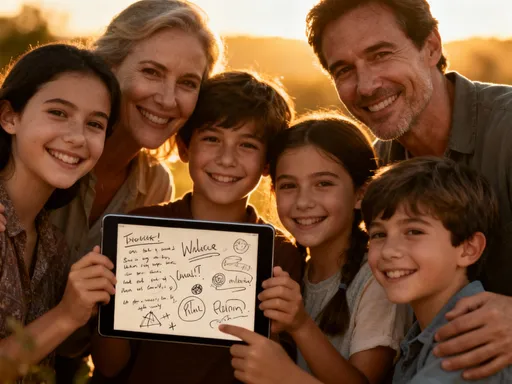
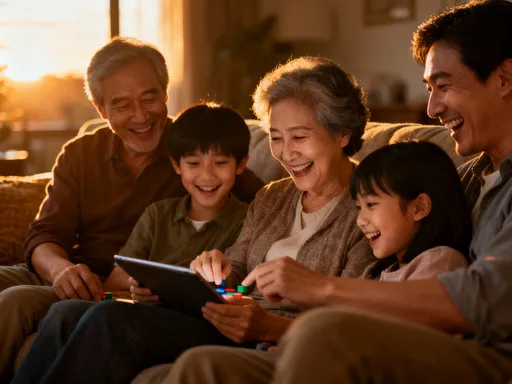
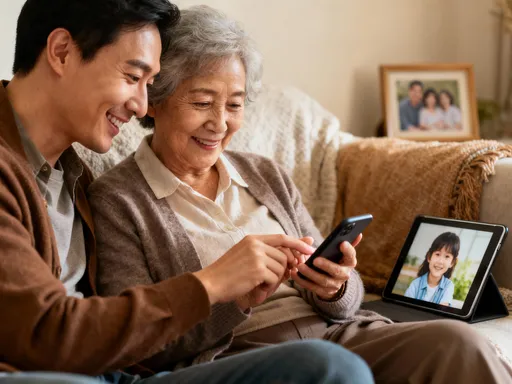
Last winter, my daughter and I made the dumplings together for the first time. As we folded them, I told her about Grandma—how she’d hum while cooking, how she always saved the prettiest ones for the kids. My daughter listened quietly, then said, “I wish I could’ve met her.” I handed her the tablet. “You can,” I said. “Watch this.” I played a video I’d saved—a shaky, ten-second clip of Grandma laughing, holding up a tray of dumplings. “These are for you,” she said, winking. My daughter watched it three times. Then she folded her next dumpling extra carefully, like it mattered.
And it did. Because now, every time we cook, we’re not just feeding our bodies. We’re feeding our history. We’re teaching the next generation that food isn’t just fuel. It’s love. It’s memory. It’s identity. And thanks to a few simple tools, those lessons aren’t fading. They’re being passed on, one bite at a time.
How a Simple App Reduced Family Drift
Before all this, I didn’t realize how much we’d already lost. How many questions went unanswered. “What was Grandpa’s favorite soup?” “Why did we stop making that dessert?” So many little gaps, like holes in a net. Over time, they add up. You don’t notice until the whole thing feels loose, fragile.
But now? Now we catch things early. When my cousin’s son asked, “Who made the sweet rice balls?” someone immediately posted the story: “Great-Aunt Mei, every winter solstice. She said they brought luck.” That’s not just an answer. That’s a legacy being handed down.
The app didn’t fix every family issue. We still have our disagreements. Our busy lives. Our moments of silence. But it gave us a way to stay connected without effort. No need to schedule calls. No pressure to “catch up.” Just a photo, a voice note, a recipe cooked and shared. It’s low-stakes. High-reward. And over time, it’s built something priceless: continuity.
I’ve noticed fewer “I wish I’d asked” moments. Fewer regrets. Because now, if someone wonders, “How did Grandma make that sauce?” they don’t have to hope someone remembers. They can just look it up. And in that simple act—typing a search, opening a file—we’re preserving not just techniques, but tenderness. The soft way Grandma stirred the pot. The way Mom always tasted with a wooden spoon. These aren’t just habits. They’re heirlooms.
More Than Recipes—A Legacy in the Making
Today, that original dumpling recipe isn’t just saved. It’s alive. It lives in a high-resolution scan, yes. But also in a video of Grandma folding them, her hands moving with quiet confidence. In a voice note of my mom saying, “Don’t rush the filling—it needs time to marry.” In a photo of my nephew’s burnt bok choy, and my niece’s lopsided mooncakes, and my daughter’s careful folds.
What began as a rescue mission—a panic over a fading piece of paper—became something much bigger. It became a ritual. A way to say, “I remember you.” “I miss you.” “You’re still here.” It became a bridge between generations, between homes, between past and present.
And the best part? It didn’t take money. It didn’t take expertise. It took intention. A few minutes here, a photo there, a story typed before it’s forgotten. Technology didn’t do the work. We did. But it gave us the space to do it—to honor what we’ve been given, and pass it on with care.
So if you have a recipe—that one dish that tastes like childhood, like safety, like love—don’t wait. Save it. Share it. Add the story. Let someone else cook it, mess it up, make it their own. Because these recipes aren’t just about food. They’re about us. And every time we share them, we’re not just keeping traditions alive. We’re growing them. One family, one meal, one memory at a time.