More Than Gadgets: How Smart Assistants Gave My Parents Peace of Mind Every Day
Imagine coming home to a house that remembers your habits, adjusts the lights, and gently reminds your parents to take their medicine—no fuss, no stress. I never thought technology could feel this personal, but after setting up smart life assistants for my aging parents, their days became safer, calmer, and more independent. It wasn’t about flashy features—it was about real, quiet support that made a difference. This is how it changed our lives. Not with a dramatic shift, but with small, steady changes that added up to something profound: peace of mind for all of us.
A Small Step That Changed Everything
I first considered smart home technology not for convenience, but out of worry. My parents live on their own, about an hour’s drive from me, and while they’ve always been strong and independent, age brings changes you can’t always see coming. I started doing daily check-in calls—just a quick “Hi, everything okay?”—but over time, those calls began to feel like a guessing game. If Mom didn’t answer, my mind would race. Was she napping? In the garden? Or was something wrong? I didn’t want to hover, but I also couldn’t ignore the quiet fear that one day, I might miss a sign.
That’s when I started looking into smart life assistants—not as gadgets, but as quiet guardians. I didn’t want anything complicated. No screens full of apps, no passwords to remember. Just something simple, something that could be there when they needed it. I began with a voice-activated speaker in the kitchen—something small, unobtrusive, and easy to use. It could answer questions like “What’s the weather today?” play their favorite music, or read the morning news in a calm, clear voice. At first, it felt like a novelty. But within weeks, it became part of the rhythm of their home.
The real shift came when Mom started talking to it like a friend. “Hey, what time is my doctor’s appointment?” she’d ask while making tea. Or, “Play that song from the 60s—the one about the summer rain.” And it would respond, gently, reliably. I remember the first time she said, “Remind me to call my sister later,” and the assistant actually did. She laughed. “Well, I’ll be,” she said. “It remembered.” That moment wasn’t about the tech—it was about the relief I felt knowing someone was “listening,” even when I wasn’t there.
Morning Routines, Made Smoother
Mornings used to be chaotic in their house. Dad would put on the kettle, get distracted by the newspaper, and forget the stove was still on. Mom would take her tea into the living room and leave her morning vitamins sitting on the counter—again. These weren’t signs of decline, just the small oversights that happen to all of us as we age. But over time, those little things added up to real worry. What if the stove was left on? What if she missed a week of her supplements?
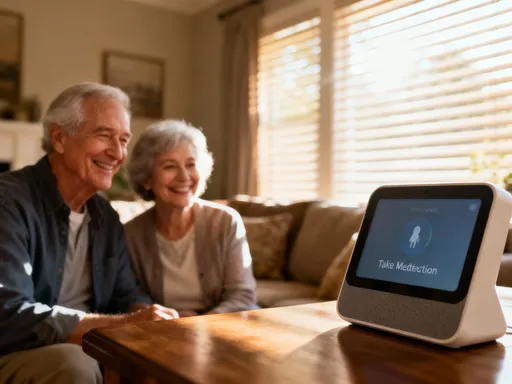
So we set up a smart display in the kitchen with a simple morning routine. Every day at 7:30 a.m., soft music starts to play—something light, like classical or jazz. The smart blinds open just enough to let in the morning light, but not so much that it’s blinding. Then, a calm voice says, “Good morning, it’s time to take your vitamin B12 and drink some water.” No alarm, no urgency—just a gentle nudge. If Mom says, “Thank you,” the assistant marks it as done. If not, I get a quiet alert on my phone. Not a panic, just a soft reminder to call and check in.
The beauty of it is that they don’t have to learn anything new. No apps, no touchscreens, no complicated steps. They just speak. “Hey, remind me to call my doctor today,” and it adds it to the list. “What’s on my schedule?” and it reads it aloud. It’s like having a helpful neighbor who never leaves, who remembers what you asked and follows through. One morning, Dad said, “Turn on the news,” and then, a few minutes later, “Pause that—ask me if I turned off the stove.” I laughed when I heard that. The assistant responded perfectly: “Did you turn off the stove?” He said, “Yes,” and it moved on. It wasn’t replacing him—it was supporting him.
Safety Without Surveillance
One of my biggest concerns was safety—but I also knew my parents valued their privacy. I didn’t want cameras in every room. I didn’t want to turn their home into a monitored zone. They weren’t children; they were adults who deserved dignity and independence. So I looked for a different kind of solution—one that offered safety without surveillance.
We installed motion sensors in key areas: the kitchen, the hallway, and near the front door. These don’t record video—just detect movement. If the kitchen light doesn’t turn on by 9 a.m., I get a gentle alert on my phone. Not a siren, not a flashing red light—just a soft notification: “No activity in the kitchen yet today.” That’s my cue to call and say, “Hey, just checking in. Everything okay?” Most days, Mom answers, “Oh, I was just in the garden,” or “I slept in a bit.” But that alert gave me peace of mind without invading their space.
Last winter, the system truly proved its worth. Dad slipped on some ice in the garage and couldn’t get up. He didn’t have his phone, and Mom was upstairs. He was conscious but couldn’t move well. Then, he said, “I need help,” loud enough for the smart assistant in the kitchen to hear. It recognized the phrase and sent an alert to me and my sister. We called right away, and when Mom didn’t answer, we called emergency services. They arrived quickly, and Dad was okay—just a bruised hip and a scare. But it could have been much worse. The device didn’t “save” him—that was the emergency team—but it created the connection that made help possible. And that made all the difference.
Staying Connected, Naturally
Before the smart display, video calls were rare. Mom would forget how to answer, or Dad would say the screen was “too bright” or “too confusing.” We’d call, and they’d pick up on the landline, missing the chance to see our faces, to see their grandson’s latest drawing or hear him say, “Hi, Grandpa!” It wasn’t that they didn’t want to connect—it was that the technology got in the way.
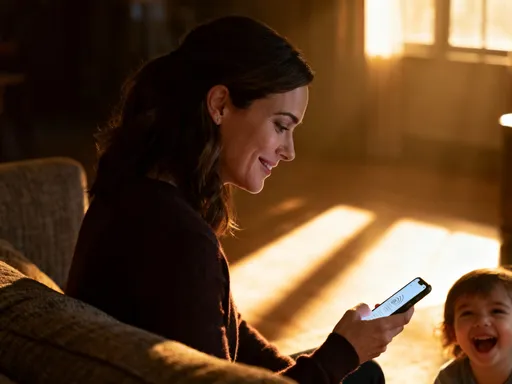
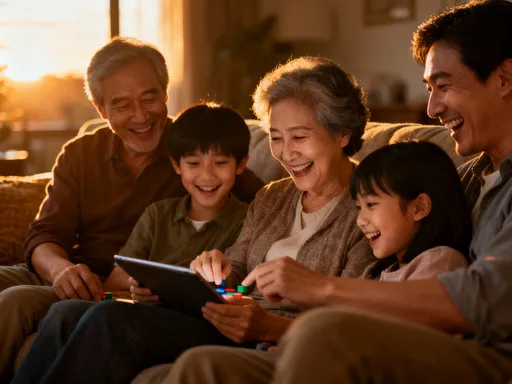
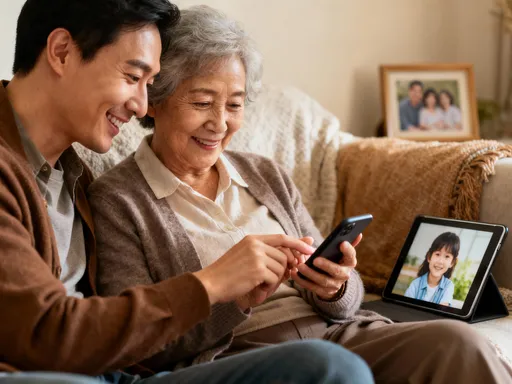
Now, when I call from my phone, their smart display lights up with my face. It’s a simple tap to answer—no PINs, no swipes, no fumbling. The first time it worked, my son waved and said, “Look, Grandma, I can see you!” She smiled, tears in her eyes. “I can see you too, sweetheart,” she said. That moment wasn’t just about the call—it was about the connection that finally felt easy.
Voice messages have become a small but meaningful part of our routine. I’ll say, “Hey, send a message to Mom: I made your favorite soup—saving you a bowl for Sunday.” The assistant delivers it in my voice, and she hears it while folding laundry or watering the plants. It’s not a text, not an email—it’s my voice, warm and familiar. She’ll respond the same way: “Tell Sarah I love her, and thank you.” It’s like leaving notes on the fridge, but better. These moments don’t replace our visits—they fill the quiet spaces between them, making the distance feel a little smaller.
Managing Health, One Reminder at a Time
Medication routines are easy to miss, especially when you’re managing multiple prescriptions. Mom takes five different pills at different times of day, and while she’s careful, it’s not unusual to forget one—especially if she’s on the phone or distracted by the TV. We tried pill organizers, written schedules, even sticky notes. But nothing was consistent. Then we linked the smart assistant to a smart pill dispenser—a small device that lights up and says, “It’s 10 a.m.—time for your blood pressure pill,” when it’s time to take a dose.
Here’s how it works: at the scheduled time, the assistant announces the reminder. If Mom opens the correct compartment and takes the pill, she says, “I took it,” and the system marks it done. If she doesn’t respond, I get a follow-up alert. Not a panic, just a nudge: “Medication not confirmed—consider checking in.” It’s not about control—it’s about care. And the best part? She can ask, “What’s my schedule for today?” and the assistant reads it aloud, step by step. No guessing, no anxiety.
Dad uses it too, especially for his daily walk. He says, “Hey, remind me to go for my walk at 2 p.m.,” and it does. Or he’ll ask, “How’s my blood pressure been this week?” and the assistant pulls data from his connected monitor. It’s not magic—it’s consistency. And for someone who values routine, that consistency is everything. It’s not replacing the doctor or the caregiver—it’s supporting them, quietly and reliably.
Learning Together, Growing Together
At first, they resisted. “I’m too old for this,” Mom said when I brought over the speaker. Dad called it “that robot in the corner.” But I didn’t push. I just showed them small things—how it could play their favorite old songs, tell a joke at dinner, or answer a question about the weather. One night, Mom asked, “What’s the capital of Portugal?” and the assistant said, “Lisbon.” She laughed. “Well, I’ll never need a map again.”
Slowly, they started exploring on their own. Dad figured out how to ask for sports scores. “Hey, what’s the Yankees’ record this season?” and it told him. Mom began listening to audiobooks—she loves mysteries—and now she says, “I don’t need to drive to the library anymore.” They even use it to settle debates. “Did we have meatloaf last Tuesday?” “Checking your calendar… yes, you did.” It became a part of their daily rhythm, not because it was forced, but because it was useful—and sometimes, a little fun.
But more than that, it became a way for us to learn together. I’d call and say, “Hey, try asking it to play jazz from the 1950s,” and they would. Or I’d teach them a new command: “Say, ‘Create a shopping list.’” They’d practice, and when it worked, they’d laugh. It wasn’t just about safety or convenience—it became a source of joy, curiosity, and independence. And in a quiet way, it brought us closer. We weren’t just daughter and parents—we were teammates, exploring something new together.
A Life, Not a Gadget, Transformed
Looking back, the biggest change wasn’t in the technology—it was in our peace of mind. My parents feel more confident living on their own. They know help is just a voice away. I feel less anxious. I don’t lie awake wondering if the stove is off or if Mom took her pills. The assistant didn’t replace family—it gave us more room to be family. It handled the small worries so we could focus on what matters: time, love, and presence.
This isn’t about the future. It’s not about flashy robots or high-tech homes. It’s about making life better, today—gently, quietly, and with care. It’s about a mother who smiles when her grandson calls. A father who remembers to walk because his assistant reminds him. A daughter who sleeps easier, knowing her parents are safe.
Technology, at its best, shouldn’t feel like technology. It should feel like support. Like a hand on your shoulder, a voice in the room, a quiet presence that says, “I’m here.” That’s what these smart assistants have become—not gadgets, but quiet companions. Not replacements for love, but amplifiers of it. And in a world that often feels too fast, too loud, too disconnected, that’s a gift beyond measure.