It’s Not Just Design: How Creative Tools Gave Me Back My Workday Freedom
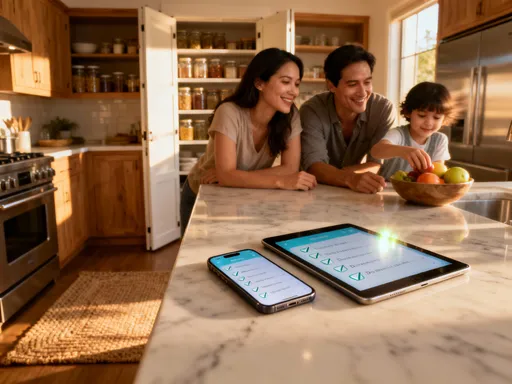
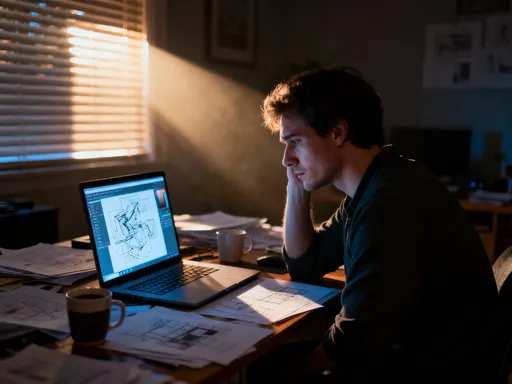
Working late again. That was my routine—endless revisions, last-minute changes, sticky notes everywhere, and a growing sense of being buried under the weight of my own creativity. I love what I do, but the process? It drained me. Then I discovered something simple: the right creative tools didn’t just make design easier—they reshaped how I work. They gave me breathing room, clearer focus, and time to actually enjoy the work I love. This isn’t about flashy software—it’s about reclaiming control. And if you’ve ever sat at your kitchen table at 9 PM trying to finish a project while your child asks for help with homework, you already know exactly how much that kind of control matters.
The Chaos Before the Click: When Creativity Feels Like a Burden
Remember that feeling when your screen has seven open tabs, three different versions of the same file, and you’re not even sure which one has the final client feedback? That was me—every single day. I’d start with passion, full of ideas, but by midweek, the joy had been replaced by a knot in my stomach. I wasn’t creating anymore; I was surviving. I’d spend hours hunting for the right image, reformatting text because it looked off on someone else’s computer, or waiting for a colleague to reply to an email so I could move forward. The tools I was using were supposed to help, but they felt like obstacles—like I was constantly pushing against them instead of flowing with them.
And it wasn’t just about time. It was about energy. Every tiny decision—where to save the file, which font size to use, how to share the draft—felt like another weight on my shoulders. I’d go to bed exhausted, not because I worked too hard, but because I worked too inefficiently. The irony wasn’t lost on me: I was a creative professional, but my process was killing my creativity. I’d lie awake thinking, Why does something that should feel so good feel so hard? I wasn’t alone. So many of us—especially women juggling work, family, and personal dreams—end up sacrificing peace for productivity. But what if we didn’t have to?
The truth is, the problem wasn’t me. It wasn’t even the work. It was the structure. I was using tools built for speed, not for life. They didn’t account for the school pickup at 3, the doctor’s appointment, or the mental load of remembering everything. I needed something that worked with me, not against me. Something that understood that creativity isn’t a straight line—it’s messy, emotional, and deeply personal. And then, one day, I stumbled on something that changed everything.
Discovering Flexibility: The First Time My Tools Adapted to Me
It started small. A friend mentioned she’d switched to a new design platform—not because she was unhappy, but because it just felt easier. I rolled my eyes at first. Another app? Another learning curve? But I was desperate, so I gave it a try. And within an hour, I felt something shift. The interface wasn’t cluttered with buttons I’d never use. It didn’t make me jump through hoops to save or share. I could drag and drop elements like I was arranging photos on my fridge. It felt intuitive, like it was designed by someone who actually used it in real life.
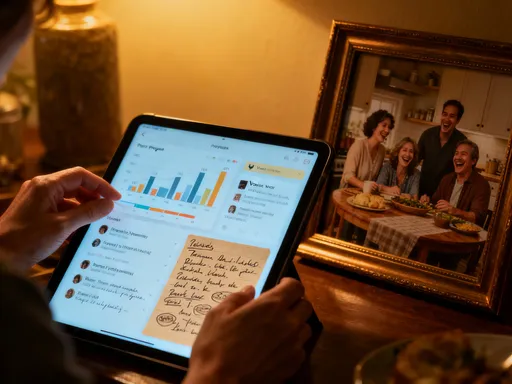
The biggest surprise? Real-time collaboration. I was working on a brochure for a local nonprofit, and instead of emailing drafts back and forth, I invited my teammate to view and comment directly on the file. She added notes in the margins, changed a color suggestion, and we both saw the updates instantly. No more “final_final_v3_revised” file names. No more confusion about who changed what. I remember sitting there, sipping my tea, and thinking, This… this is what peace feels like. For the first time in years, I wasn’t managing the process—I was just creating.
That moment taught me something powerful: flexibility isn’t about doing more. It’s about doing what matters, with less friction. It’s about tools that adapt to your rhythm, not force you into theirs. I didn’t need more features—I needed fewer headaches. And this platform gave me that. It wasn’t flashy. It didn’t promise to turn me into a design genius overnight. But it respected my time, my energy, and my need for calm. And that made all the difference.
Designing on the Move: How Creativity Followed Me Beyond the Desk
One Saturday morning, I found myself at my daughter’s soccer practice, sitting on a folding chair with my tablet in my lap. A client had sent a last-minute request, and instead of panicking, I opened the design app and made the changes in ten minutes. I didn’t need to go home, boot up my computer, or wait for files to sync. Everything was right there—my project, my fonts, my brand colors—exactly as I left them. I hit save, sent the approval link, and looked up just in time to see my daughter score a goal. I clapped, put the tablet away, and didn’t think about work again until Monday.
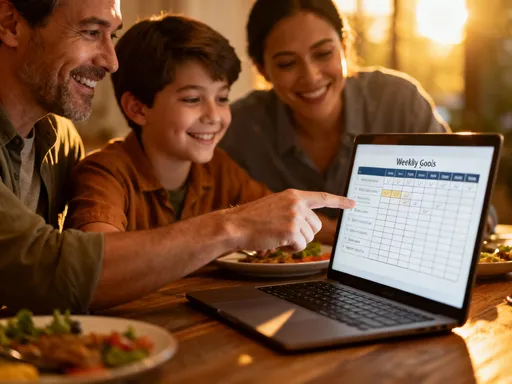
That moment was a revelation. For so long, I thought real work could only happen at my desk, during ‘work hours.’ But life doesn’t follow a 9-to-5 schedule. Neither does inspiration. Now, I sketch ideas in a digital notebook while waiting at the dentist. I adjust a layout while my son does homework at the kitchen table. I review a presentation during my morning walk, using voice notes to capture feedback. These aren’t long sessions—just five, ten, fifteen minutes here and there. But they add up. And more importantly, they let me be present when it counts.
Before, if I had to work outside the office, I carried the guilt of not being fully with my family. Now, I can handle small tasks without disappearing into my laptop. I’m not chained to a chair or a rigid schedule. I’ve learned that flexibility isn’t about working more—it’s about working smarter, so I can live fuller. And that means being able to celebrate a soccer goal without worrying about an unfinished file. That’s freedom. That’s balance. And it’s possible because my tools finally fit my life, not the other way around.
Collaborating Without Chaos: Shared Vision, Fewer Headaches
Let’s be honest—teamwork can be stressful. I used to dread group projects. Not because I didn’t like my colleagues, but because of the chaos: endless email threads, mismatched versions, feedback that came three days too late. I once spent an entire afternoon recreating a presentation because someone had edited the wrong file. I felt like a project manager more than a designer. And the worst part? The anxiety. The constant wondering: Do they like this? Did I miss something? Is this even what we agreed on?
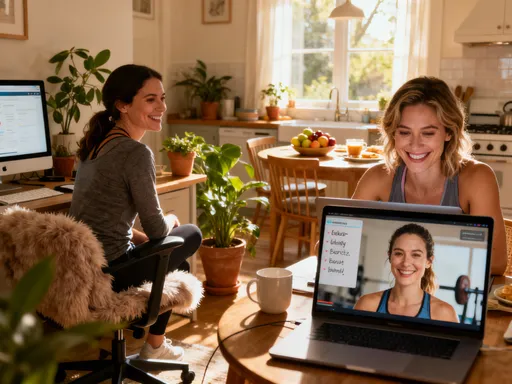
Then I started using a cloud-based design tool that let us all work on the same file, at the same time. It sounds simple, but it changed everything. Now, when we’re working on a campaign, everyone—from the copywriter to the client—can see the live version. Comments appear in real time. We don’t have to wait for meetings to make decisions. I can see who made which change and why. And if someone has a concern, we resolve it right there, in the document, not in a confusing chain of emails.
But the real benefit wasn’t just efficiency—it was emotional safety. Knowing we’re all looking at the same thing, in the same moment, created trust. There’s less second-guessing, less frustration, and more room for real collaboration. I remember one project where a client approved a draft while we were on a video call. We made two small tweaks, hit publish, and celebrated with virtual high-fives. No follow-up emails. No overnight waits. Just clarity and connection. That’s the kind of peace that doesn’t show up on a productivity report—but you feel it in your bones.
From Overwhelmed to Inspired: Regaining Mental Space to Think
Here’s what no one tells you: when your tools are complicated, your mind becomes cluttered. Every time I had to worry about file compatibility, software crashes, or lost work, it took up mental space—space that could’ve been used for ideas, for creativity, for joy. It’s like trying to cook in a kitchen covered in dishes. You might have the best recipe in the world, but if you can’t find a clean pot, you’re not making anything.
When I switched to simpler, more reliable tools, something unexpected happened: my brain cleared. I wasn’t constantly on alert, waiting for the next tech issue. I could finally relax into the work. And when your mind is calm, creativity flows. I started taking risks—trying bold colors, experimenting with new layouts, even saying ‘yes’ to projects I would’ve turned down before because I was too drained. I wasn’t just surviving my workload—I was enjoying it again.
One afternoon, I found myself sketching a concept just for fun—no deadline, no client, no pressure. I hadn’t done that in years. And that sketch? It became the foundation for a new series of designs that my clients loved. That’s the ripple effect of simplicity: when you remove the noise, the signal gets stronger. You don’t just work better—you think better, feel better, live better. And that’s not just good for your career. It’s good for your soul.
The Ripple Effect: When Work Flexibility Improves Life Beyond the Screen
The changes didn’t stop at my desk. As my work became more manageable, my whole life started to shift. I began leaving the office—or closing my laptop—at a reasonable hour. I started taking long walks in the evening, just because I had the time. I picked up watercolor painting again, something I hadn’t done since college. And most importantly, I became more present at home.
I’ll never forget the first night I read a bedtime story to my daughter without checking my phone. No quick email scan. No ‘just one more reply.’ I was there—fully there. And she noticed. She said, ‘Mom, you’re not stressed tonight.’ That hit me hard. Because I wasn’t. I wasn’t carrying the weight of unfinished work. I wasn’t mentally still at my desk. I was in her world, and it felt sacred.
That’s the real gift of flexible tools: they don’t just save time. They give you back your presence. They allow you to show up—not just as a worker, but as a mother, a partner, a friend, a person with dreams and hobbies and quiet moments. I’m not working less. In fact, I’m more productive than ever. But I’m doing it in a way that doesn’t cost me my peace. And that’s worth more than any promotion.
Building a Sustainable Creative Life: Tools That Work for You, Not the Other Way Around
I’ll be honest—I’m not perfect. Some days are still busy. Some projects still run late. But the difference now is that I have space to breathe. The tools I use have become invisible helpers, like a favorite pen or a well-worn notebook. I don’t think about them anymore. I just use them, and they work. That’s the sign of good technology: it doesn’t draw attention to itself. It lets you focus on what matters.
What I’ve learned is that true flexibility isn’t about the number of features or the speed of the software. It’s about how it makes you feel. Calm. Capable. In control. It’s about creating a work life that doesn’t drain you, but fuels you. A life where creativity isn’t a chore, but a joy. Where you can meet deadlines and make it to ballet recitals. Where you can build a career and nurture your relationships.
If you’re feeling overwhelmed, I want you to know this: it’s not you. It’s the system. And you don’t have to accept it. Take a look at the tools you’re using. Do they serve you? Or do you serve them? Could there be a simpler, gentler way to work? I’m not saying you need to overhaul everything overnight. But maybe—just maybe—there’s a small change you can make that opens up a little more room in your day, a little more peace in your mind.
Because you deserve that. You deserve to love your work again. You deserve to feel calm, capable, and connected—to your creativity, your family, yourself. And sometimes, the smallest shift in tools can spark the biggest change in life. Let your technology be your ally, not your enemy. Let it give you back what matters most: time, energy, and the freedom to be fully you.